Looking for a coastal town that feels lived in, not just visited? Pacific Grove stands out because daily life here is shaped by shoreline walks, neighborhood routines, historic streets, and community traditions that go far beyond a scenic stop on the Monterey Peninsula. If you are exploring a move, a second home, or a lifestyle change, this guide will help you understand what coastal living in Pacific Grove can actually feel like day to day. Let’s dive in.
Pacific Grove Feels Like Home
Pacific Grove has a compact footprint, and that matters when you picture daily life. City planning materials describe a shoreline-oriented community where parks, trails, downtown services, and preservation areas are closely connected. Instead of feeling built around one attraction, the city reads more like a coastal neighborhood with visitor appeal layered on top.
That rhythm can be especially appealing if you want access to the coast without giving up a sense of place. In Pacific Grove, the shoreline is part of ordinary routines, not just something you drive to for a special outing. You can see that in the city’s trail network, public open spaces, and long-standing civic traditions.
Coastal Routine Starts Outdoors
One of Pacific Grove’s defining features is how easy it is to fold the coastline into your day. The Monterey Peninsula Recreation Trail runs for about a mile between the Monterey Bay Aquarium and Lovers Point, with separate walking and cycling paths. The city describes it as a major route for walking, jogging, and bicycling along the northeastern coastline.
For many buyers, that says a lot about lifestyle. A place feels different when a shoreline walk, bike ride, or quick stop to watch the water can become part of your normal week. In Pacific Grove, that everyday access is a meaningful part of the experience.
Lovers Point Adds Activity
Lovers Point Park brings together several kinds of coastal use in one place. The city describes this 4.4-acre shoreline park as a setting for picnicking, fishing, sunning, swimming, water sports, and surfing. It also includes lawns, a volleyball court, a children’s swimming pool, a sandy beach, rocky outcrops, a pier, and a restaurant or snack bar.
That mix gives the area a practical feel, not just a postcard feel. You have room for a quick morning walk, time by the water, or a casual meet-up without needing an all-day plan. For buyers who value convenience and scenery together, that balance can be hard to find.
Asilomar Brings Another Layer
Asilomar State Beach offers a different coastal atmosphere within Pacific Grove. State Parks describes it as a narrow, one-mile stretch of sandy beach and rocky coastline, with a 3/4-mile accessible walking trail along the coast. The site also notes that the beach is day-use only and that dogs are allowed on the beach, trails, and conference grounds if leashed.
The broader setting adds depth to the experience. The historic Julia Morgan-designed conference grounds and the dunes preserve above the coast create a landscape that feels both scenic and carefully protected. If you are drawn to places where preservation and natural beauty go hand in hand, Asilomar is a key part of Pacific Grove’s identity.
Landmarks Shape Local Identity
Pacific Grove’s coastal character is not only about views. It is also about the landmarks and protected spaces that anchor community identity over time. Point Pinos Lighthouse, which city materials date to 1855, remains a visible landmark and is identified by the city as the oldest working lighthouse on the Pacific Coast.
The city’s butterfly habitat materials highlight another layer of place. The Monarch Grove Sanctuary sits between Lighthouse Avenue and Short Street, showing how closely preservation areas and everyday neighborhood life overlap. In Pacific Grove, these natural and historic markers are woven into the town rather than set apart from it.
Lighthouse Avenue Still Feels Local
In many coastal towns, the busiest main street can feel designed mostly for visitors. Pacific Grove’s downtown story is a little different. City outdoor-dining guidelines describe Lighthouse Avenue as an iconic historic downtown with a wide variety of restaurants, shops, and other services focused on serving the local community.
That local-service orientation matters if you are thinking beyond a weekend visit. It suggests a downtown where grabbing coffee, running an errand, meeting a friend, or spending a quiet afternoon feels natural. The same city document also notes the avenue’s historic architectural styles and wide diversity of building forms, which adds visual character to everyday use.
Daily Stops and Cultural Anchors
The Chamber directory shows how this local rhythm takes shape. Coffee and breakfast spots listed there include Café Guarani on Central Avenue, Toasties Cafe on Lighthouse Avenue, Red House Cafe on Lighthouse Avenue, and The Perfect Crumb Bakery on Lighthouse Avenue. These kinds of businesses often help define whether a downtown feels practical as well as charming.
Cultural institutions add another dimension. The Pacific Grove Art Center, located on Lighthouse Avenue, describes its mission as encouraging art appreciation through classes, lectures, forums, and exhibits. The Pacific Grove Museum of Natural History notes that it sits in historic downtown Pacific Grove, just blocks from the beach.
Together, those details point to a downtown that supports both routine and enrichment. If you want a coastal setting where the commercial core still feels connected to local life, Pacific Grove makes a strong case.
Community Traditions Still Matter
A neighborhood often reveals itself through its calendar. In Pacific Grove, recurring civic events are not a side note. They are part of how the town expresses continuity, local pride, and shared routines.
The Chamber describes Good Old Days Street Festival as Pacific Grove’s premier community event. The city’s general plan says the Butterfly Parade has taken place on the second Saturday in October since 1939, when Pacific Grove schoolchildren welcome the monarchs back with a dress-up parade.
Seasonal Events Reinforce Place
The city’s 2026 special-event calendar lists recurring gatherings such as the Butterfly Parade, Sunset Celebration at Point Pinos Lighthouse, Holiday Tree Lighting at Jewell Park, and the Holiday Parade of Lights downtown. These events reflect a civic culture that continues across seasons, not just during peak visitor months.
The Pacific Grove Museum of Natural History adds to that year-round connection with public programming tied to local science and history. The museum also states that the Pacific Grove Monarch Sanctuary is the largest overwintering site for monarch butterflies in Monterey County and one of the largest publicly accessible overwintering sites in California, with monarchs typically arriving in mid-October and leaving in February.
For buyers, that matters because community life is often felt through repetition. Annual events, seasonal patterns, and familiar local gatherings help a place feel grounded. In Pacific Grove, those patterns appear to be a meaningful part of everyday identity.
Homes Show Historic Character
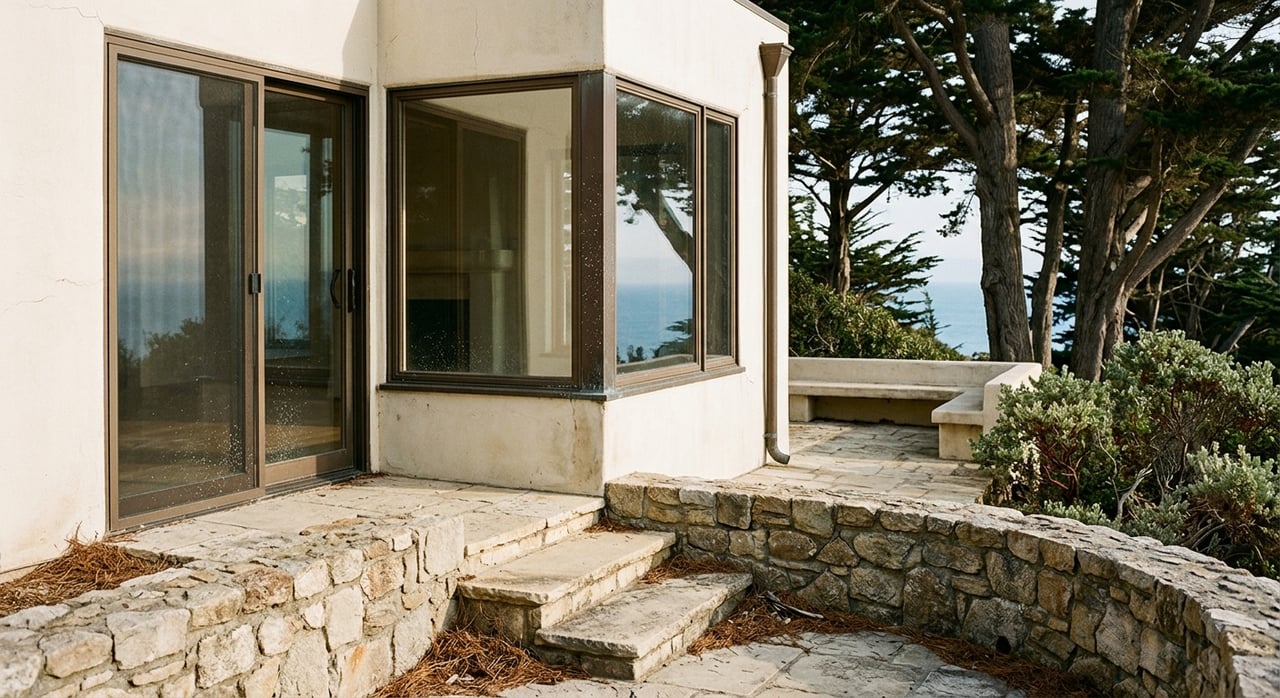
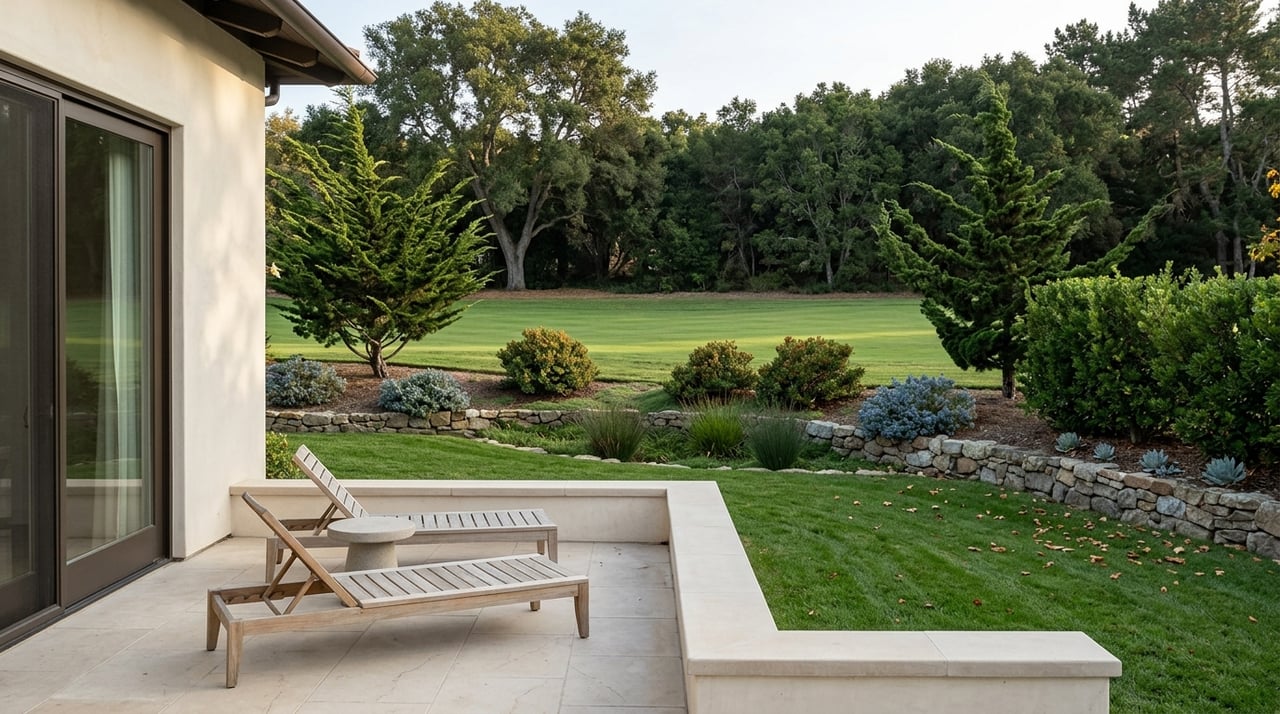
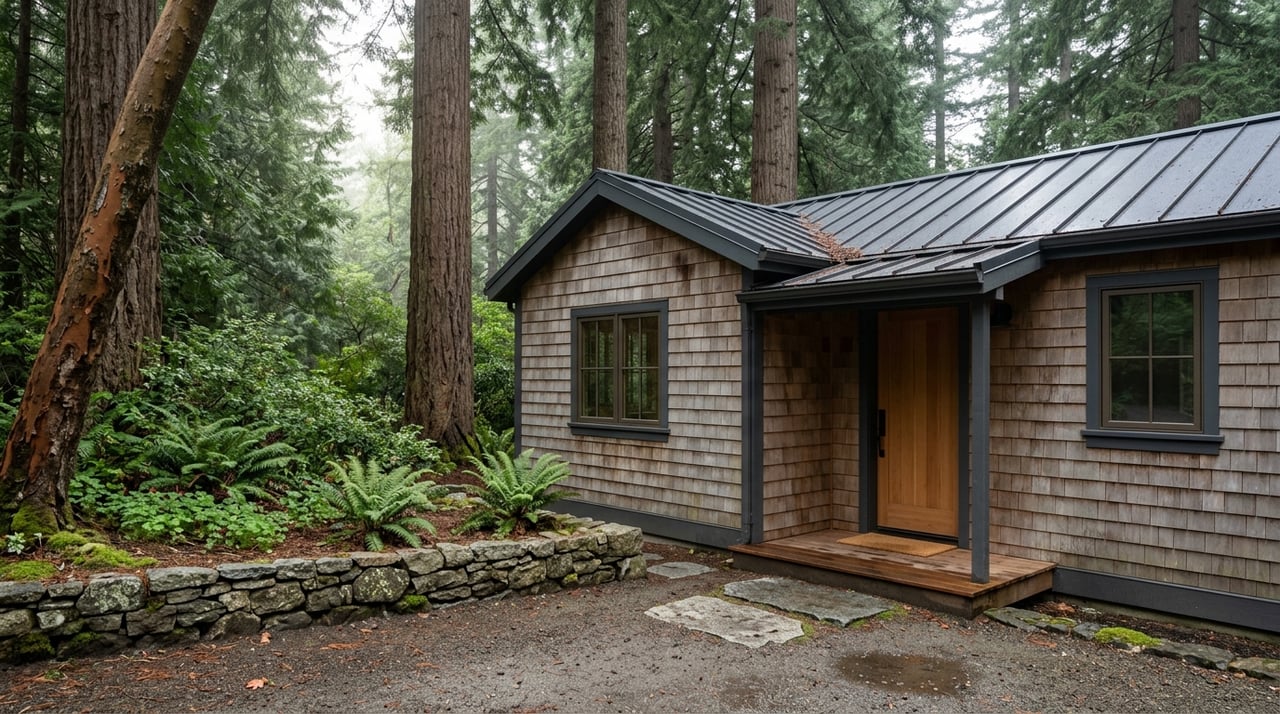
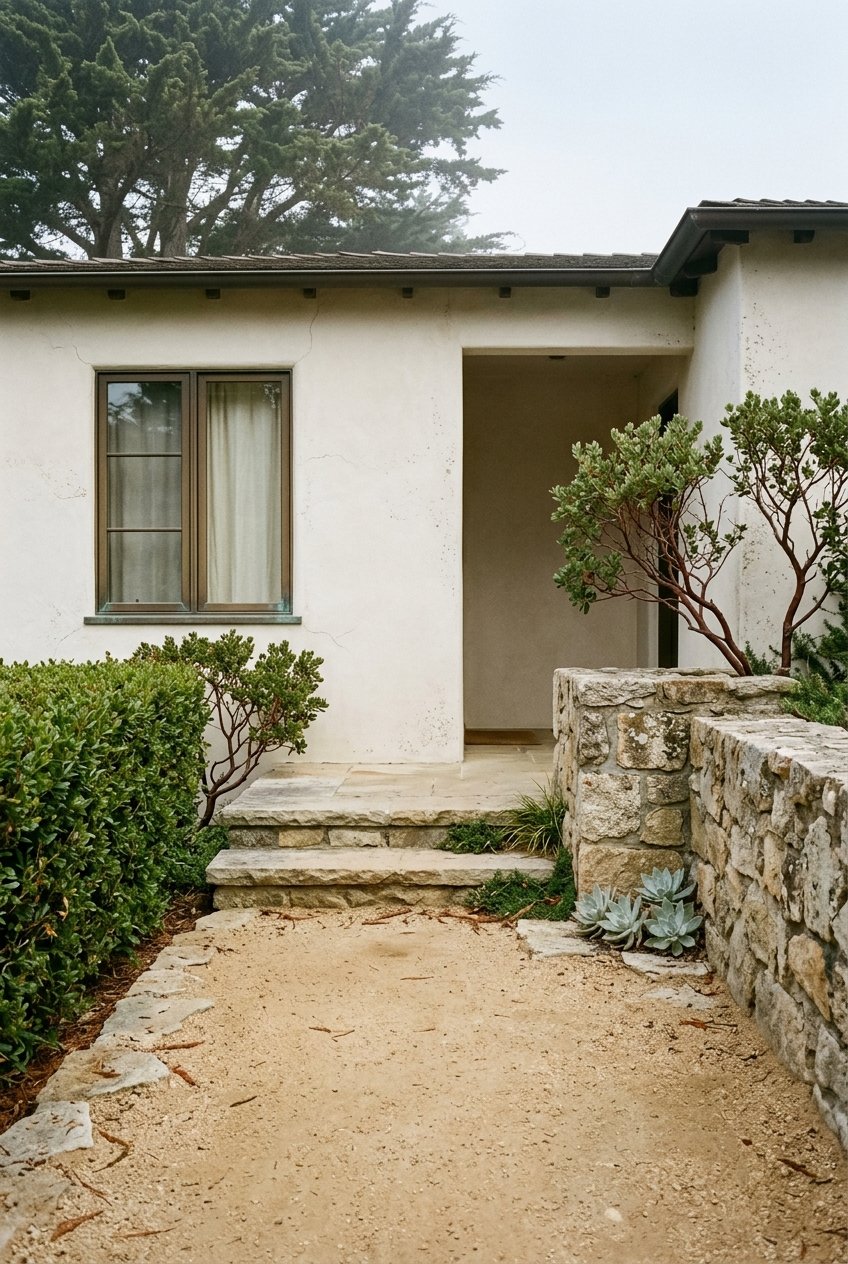
Pacific Grove’s housing stock is another reason the town feels distinct. According to the city’s Historic Context Statement, surviving buildings from 1903 to 1926 are overwhelmingly single-family residences, with important styles that include late Victorian, Craftsman, Colonial Revival, and Spanish Colonial Revival.
That architectural mix gives the housing stock texture rather than uniformity. The same document notes that many homes from this period are rectangular, usually one story, wood-frame, and commonly capped with gable or hip roofs. It also points to a visual shift over time from wood cladding to stucco.
Variety Matters When You Compare Towns
The city’s historic context notes that larger lots often reserved space for detached garages, and that homes from the 1910s and 1920s are often found beside older Victorian neighbors. It also ties this residential pattern to infill development in the central city and to older neighborhoods such as Hillcrest, Beach Tract, and Pacific Grove Acres.
For buyers, this can translate into a housing search that feels more nuanced. Instead of block after block of similar homes, you may find differences in style, age, scale, and setting that shape the personality of each property. The Pacific Grove Heritage Society’s mission to foster appreciation for the city’s historical and architectural resources also helps explain why preservation remains such a visible part of the local character.
Why Buyers Notice Pacific Grove
When you step back, a clear picture emerges. Pacific Grove offers coastal access, but it also offers routines, institutions, and housing character that support daily living. The shoreline trails, local-serving downtown, seasonal events, and preservation-minded identity all suggest a place where lifestyle is built on more than scenery alone.
That can be especially compelling if you are comparing Monterey Peninsula communities for a primary residence or second home. You may be looking for beauty, but also for rhythm, walkability, and a sense that the town functions well between weekends and holidays. Pacific Grove tends to stand out for exactly those reasons.
If you are considering a move on the Monterey Peninsula and want a thoughtful view of how Pacific Grove fits your goals, E&V Carmel Shop can help you evaluate the market with local insight and discreet, high-touch guidance.
FAQs
What makes Pacific Grove different from a typical tourist-oriented coastal town?
- Pacific Grove appears to function as a lived-in coastal community with shoreline trails, local-serving downtown businesses, community events, preservation areas, and historic housing character woven into everyday life.
What outdoor features shape daily life in Pacific Grove?
- Key features include the Monterey Peninsula Recreation Trail, Lovers Point Park, Asilomar State Beach, the Asilomar Coast Trail, Point Pinos Lighthouse, and the Monarch Grove Sanctuary.
What is downtown Pacific Grove like for everyday use?
- City materials describe Lighthouse Avenue as a historic downtown with restaurants, shops, and services focused on serving the local community, along with a variety of architectural styles and cultural institutions.
What kinds of community events take place in Pacific Grove?
- Recurring events include Good Old Days Street Festival, the Butterfly Parade, Sunset Celebration at Point Pinos Lighthouse, Holiday Tree Lighting at Jewell Park, and the Holiday Parade of Lights downtown.
What is notable about Pacific Grove homes?
- The city’s historic context highlights a housing stock known for historic character, with many single-family homes from 1903 to 1926 in styles such as late Victorian, Craftsman, Colonial Revival, and Spanish Colonial Revival.