Dreaming about owning in Big Sur usually starts with a feeling: redwoods overhead, Pacific views in the distance, and a home that feels worlds away from city life. But in Big Sur, the difference between a cabin, a compound, and a clifftop home is not just style or price. It is also about land, access, visibility, hazards, and what the site can realistically support. This guide will help you understand how these property types work in Big Sur so you can ask smarter questions and plan with more confidence. Let’s dive in.
Why Big Sur Homes Are Different
Big Sur is part of Monterey County’s unincorporated coastal zone, and the area is governed in part through the Big Sur Coast Land Use Plan as a certified Local Coastal Program segment. That means property decisions are heavily shaped by local land-use rules, coastal permitting, and site-specific review. In practical terms, owning here is often less straightforward than buying in a typical neighborhood.
The landscape sets the rules. Monterey County describes Big Sur as a place of redwood canyons, brush-covered slopes, steep cliffs, and bluffs, with much of the shoreline difficult and hazardous to reach. Because of that setting, homes in Big Sur are often defined as much by terrain and constraints as by architecture.
Big Sur Cabins Explained
What a cabin usually means here
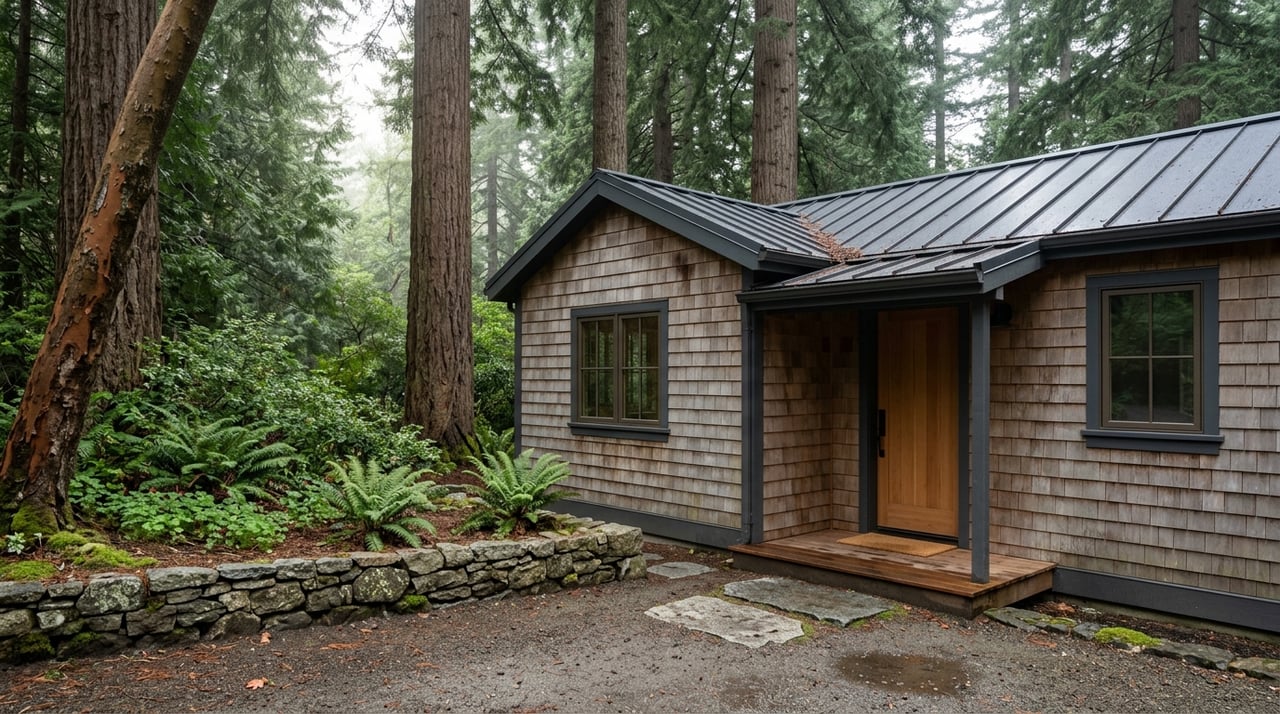
In Big Sur, a “cabin” is not a formal zoning category. It is usually the common-language description for a smaller or mid-sized home tucked into a forested canyon setting, often in places like Big Sur Valley or Palo Colorado Canyon. These homes tend to feel secluded, shaded, and more immersed in the redwood landscape.
For many buyers, this is the classic Big Sur experience. You may find privacy, quiet, and a strong sense of retreat that is harder to replicate on a more exposed coastal site. Cabin-style homes also tend to feel less visually prominent than bluff or ridge properties.
What draws buyers to canyon homes
Canyon properties often appeal to buyers who want a stronger connection to the land and a more sheltered setting. Redwoods, oaks, and madrones shape the character of these homes, and the result can feel deeply private and restorative. If your goal is refuge rather than dramatic exposure, this category may be the best fit.
These homes can also offer a different day-to-day experience than ocean-facing properties. You may trade broad horizon views for shade, tree cover, and a quieter visual presence. For some buyers, that trade is exactly the point.
What to watch with a cabin property
The same features that make canyon homes appealing can also make them more demanding. Monterey County’s plan says development should conform to topography, minimize grading, and undergo geologic review in hazard areas. The county also ties fire, flood, and road-washout risk to the possibility of isolated properties and blocked emergency access.
That means a rustic home in the trees often requires close attention to the site itself, not just the house. Drainage, tree management, access conditions, and maintenance can all play a bigger role than they would in a town setting. If you are considering a cabin-style property, it helps to think beyond charm and focus on year-round livability.
Big Sur Compounds Explained
What “compound” means locally
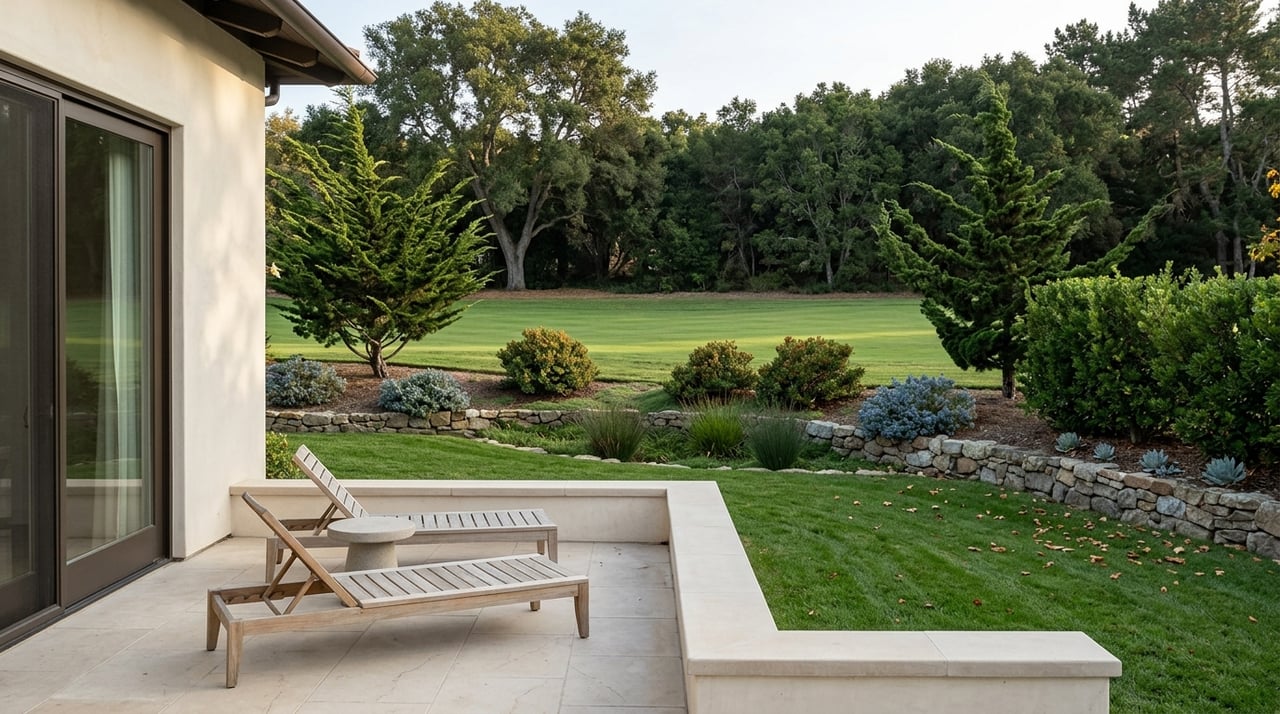
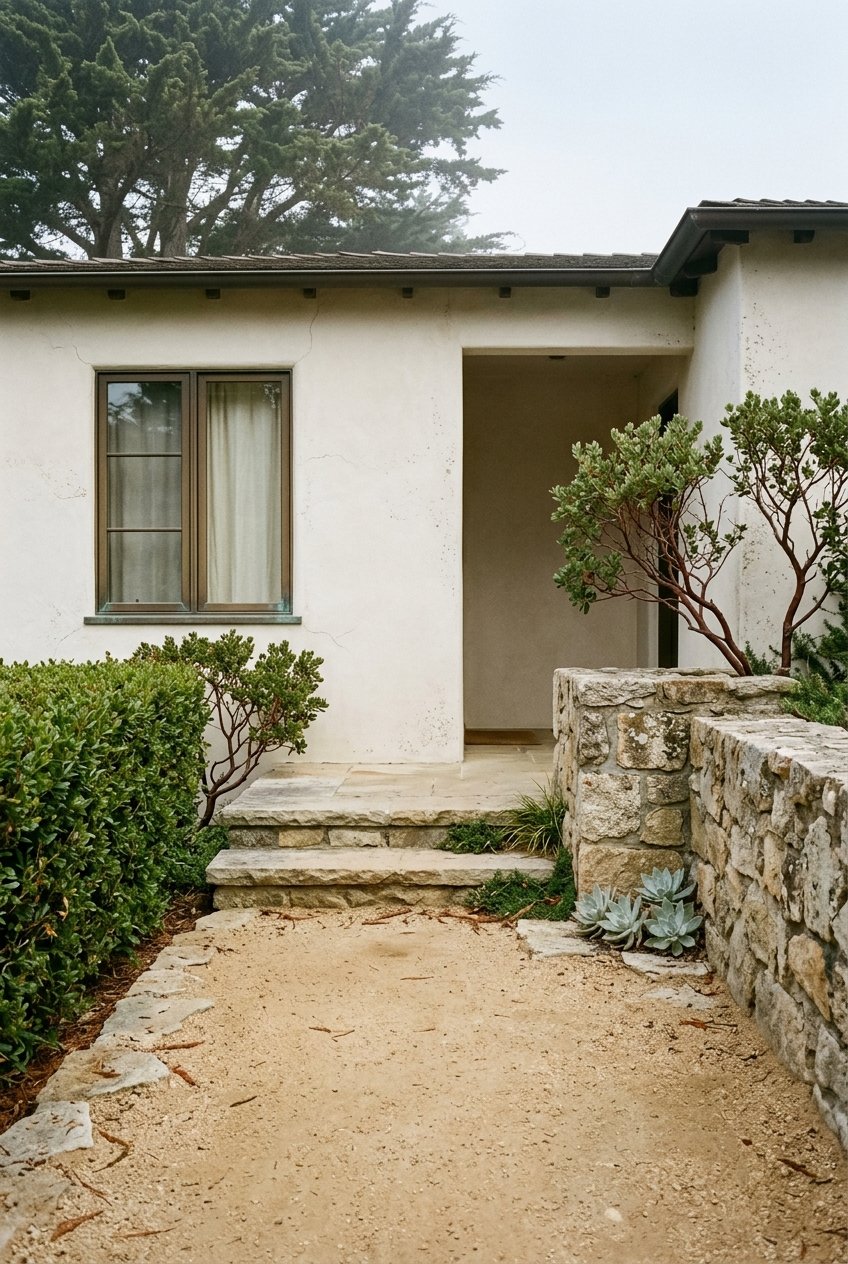
In Big Sur, a compound is usually not a formal property type. More often, it describes a main residence with accessory structures such as guesthouses or caretaker quarters. Monterey County zoning defines these structures separately, which matters because what a property includes on the ground may be different from what buyers casually expect from the term “compound.”
This is an important distinction. For example, county guesthouse rules say guesthouses cannot be separately rented and cannot include kitchen facilities. So while a property may function as a multi-structure retreat, it may not operate like a small cluster of independent homes.
Why compounds are appealing
For buyers seeking flexibility, compounds can be especially attractive. A main residence plus additional structures may create space for hosting, caretaking, studio use, or multigenerational living patterns within the limits of county rules. In a market known for privacy and land stewardship, that can be a meaningful advantage.
These properties also tend to fit buyers who value a more expansive ownership experience. Instead of a single house on a lot, you may be evaluating how buildings, driveways, views, and outdoor spaces work together. The appeal is often about optionality and privacy, not just square footage.
Why compounds can be more complex
Additional structures can bring additional scrutiny. Monterey County’s Big Sur design review is intended to limit visual impact through building location, size, configuration, materials, and colors. The county also requires site-specific investigation of visibility from Highway 1 and major public viewpoints.
So while a compound may offer more flexibility on paper, it can also involve more design-review burden and more long-term upkeep. Each structure becomes part of the broader question of how the property sits within the landscape. In Big Sur, that question matters a great deal.
Clifftop Homes Explained
What defines a clifftop or ocean-view home
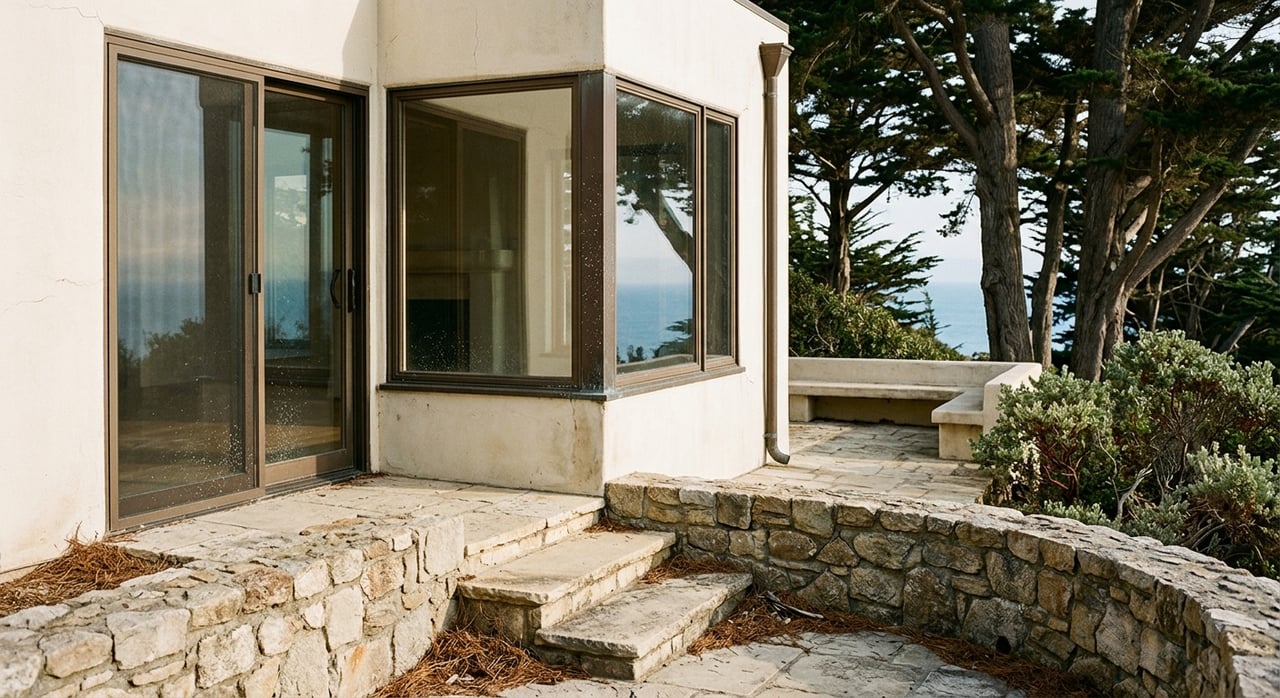
Clifftop and ocean-view homes are the properties most closely tied to Big Sur’s iconic coastline. These homes often offer extraordinary outlooks, but they also sit within the area’s strictest visual and geologic constraints. In many cases, the site is as important as the residence itself.
If you are drawn to a dramatic coastal setting, this is likely the property type you picture first. But the experience of owning one depends on more than the view. Placement, exposure, setbacks, and access all become central parts of the ownership equation.
The trade-off behind the views
Monterey County says blufftop setbacks should be large enough to avoid the need for seawalls during a development’s economic life. The county also calls for thorough environmental review of shoreline, wetland, or blufftop projects and states a preference against projects when impacts are difficult to avoid.
That framework helps explain why clifftop homes are rare and highly specific. The views may be exceptional, but building placement and future changes can be tightly constrained. Buyers should expect these homes to be shaped by geology, environmental review, and long-term site compatibility.
Why visibility matters so much
The visual rules in Big Sur are especially important for ocean-view and clifftop properties. The county plan says new development should avoid the public viewshed where possible, and road building, grading, and excavation cannot intrude into the critical viewshed. The county also requires investigation into whether a project is visible from Highway 1 or other major public viewing areas.
For you as a buyer, that means a coastal home is not only about what you can see from the property. It is also about how the property is seen from public vantage points. Homes in these settings often need careful siting, screening, and ongoing maintenance to remain compatible with the landscape.
Shoreline access and practical use
Shoreline frontage can add another layer of complexity. Monterey County says development along the shoreline may require access easements, access management plans, and maintenance obligations. The plan also notes that public access may need to close during extreme fire hazard or high-seas conditions, and that in some hazardous locations, visual access may be more appropriate than physical access.
This helps explain a common Big Sur reality: dramatic shoreline settings do not always mean simple or direct daily use of the shore. A home may feel immersed in the coastline while still being governed by safety and access limitations. That does not reduce the property’s appeal, but it does shape expectations.
The Four Forces Behind Every Big Sur Home
Across cabins, compounds, and clifftop homes, most Big Sur ownership questions come back to four forces:
- Landscape: Steep slopes, canyons, bluffs, and forested terrain shape where and how a home can sit on the land.
- Visibility: Monterey County reviews visual impact closely, especially from Highway 1 and major public viewpoints.
- Access: Road washouts, landslides, and emergency access can affect usability and planning.
- Environmental risk: Fire, geology, flood potential, and shoreline hazards all influence long-term ownership.
Once you understand those four factors, the local market becomes easier to read. Instead of asking only what a home looks like, you begin asking how it functions on its specific site.
Practical Questions to Ask Before You Buy
Water and septic
The Big Sur plan requires applicants for residential and other development to show an adequate year-round water supply through seasonal testing. Monterey County also permits and regulates well activity, including wells, repairs, and destruction. Water is not a box to check casually here.
Septic matters just as much. Monterey County says septic permits require site and soil evaluation, and it notes that some areas are not suitable for conventional systems. If you are comparing properties, water and wastewater capacity can be just as important as layout or finishes.
Fire and defensible space
Fire planning is a core part of ownership in Big Sur. CAL FIRE says 100 feet of defensible space is required by law, and Monterey County identifies Big Sur as part of a fire-prone wildland interface with a serious local fire history. Hazard mapping also plays a role in understanding property exposure.
For buyers, this means fire readiness is not just a seasonal concern. It is part of how the property is maintained over time. Landscaping, vegetation management, and access for emergency response all matter.
Roads and emergency access
Monterey County’s plan says road washouts can isolate properties and block emergency vehicles. Caltrans and the USGS also describe the Big Sur stretch of Highway 1 as landslide-prone, with frequent stabilization and closure work. Access is one of the most important practical questions you can ask.
This matters whether you are shopping for a weekend retreat or a primary residence. A beautiful setting can feel very different when travel is disrupted. It is wise to evaluate the route to the property as carefully as the property itself.
Maintenance obligations
In hazard areas, Monterey County can require deed restrictions that describe hazards, mitigation measures, and long-term maintenance obligations. That can make Big Sur ownership more infrastructure-focused than some buyers expect. You may be taking on stewardship responsibilities tied to the land as much as to the structure.
This is one reason local guidance matters. A polished home in a remarkable setting may still come with serious site-specific responsibilities. The key is understanding them clearly before you move forward.
Which Big Sur Property Type Fits You?
If you want privacy, shade, and immersion in the redwoods, a cabin-style home may be the strongest match. If you want flexibility across multiple structures, a compound-style property may offer the best fit, provided you understand accessory-use limits and review requirements. If your priority is a signature coastal outlook, a clifftop or ocean-view home may deliver that experience, along with the most visible constraints.
In every case, the smartest approach is to evaluate the site, not just the residence. In Big Sur, the land tells much of the story. Understanding that story early can help you pursue a property that truly fits your goals, risk tolerance, and lifestyle.
If you are considering a Big Sur purchase or preparing to position a distinctive coastal property for sale, E&V Carmel Shop offers discreet, consultative guidance grounded in Monterey Peninsula market knowledge.
FAQs
What is the difference between a Big Sur cabin and a Big Sur clifftop home?
- A Big Sur cabin is usually a smaller or mid-sized home in a forested canyon setting, while a clifftop home is typically tied to ocean views, blufftop siting, and stricter visual and geologic constraints.
What does “compound” mean for a Big Sur property?
- In Big Sur, a compound usually means a main residence with accessory structures such as a guesthouse or caretaker quarters, rather than a formal multi-home subdivision.
Are Big Sur guesthouses allowed to be rented separately?
- Monterey County guesthouse rules say guesthouses cannot be separately rented and cannot include kitchen facilities.
Why are permits such a big part of buying in Big Sur?
- Big Sur properties are shaped by coastal development review, local land-use rules, design review, and site-specific concerns such as views, hazards, access, water, and habitat.
What utilities and infrastructure should you review before buying a Big Sur home?
- You should closely review year-round water supply, well status, septic suitability, emergency access, road conditions, defensible space needs, and any long-term maintenance obligations tied to the site.