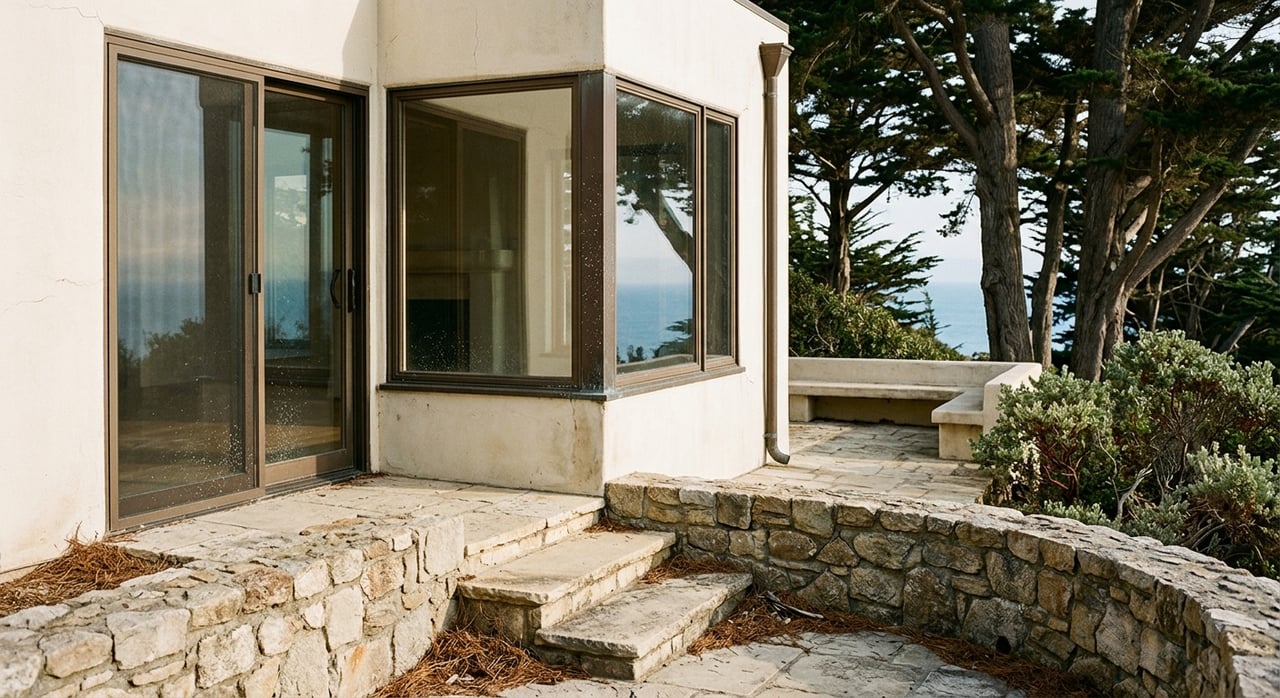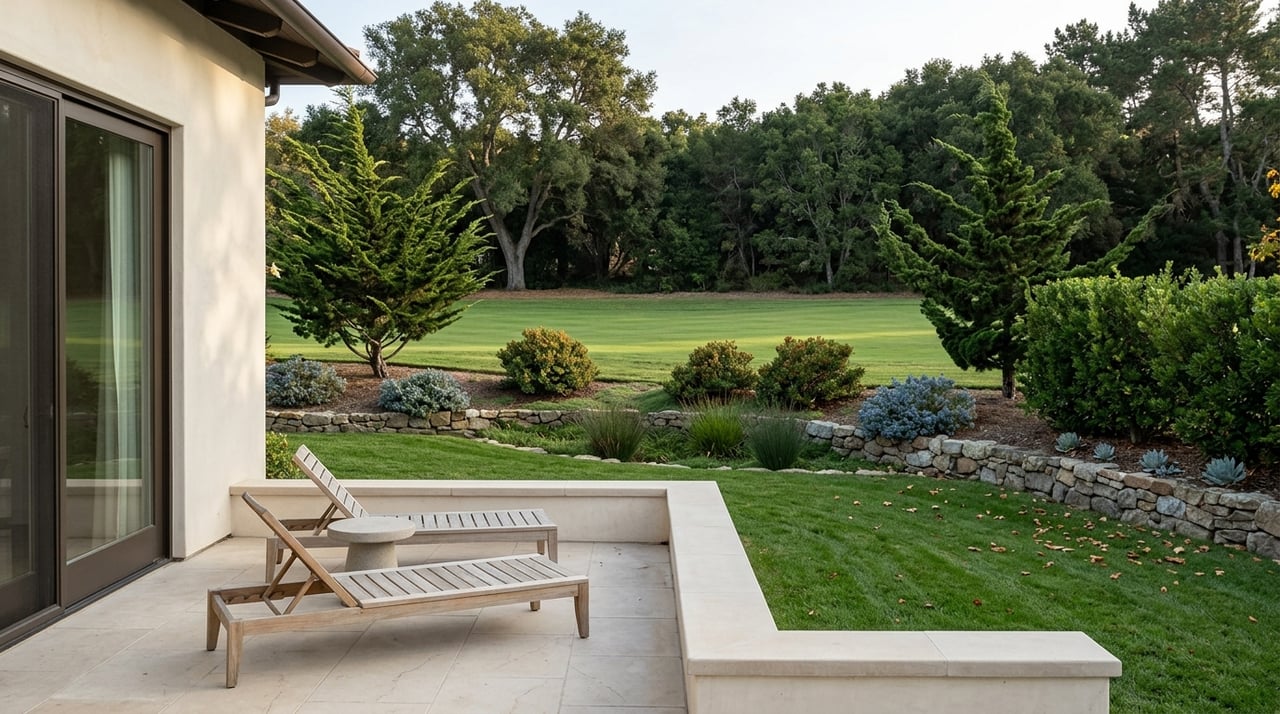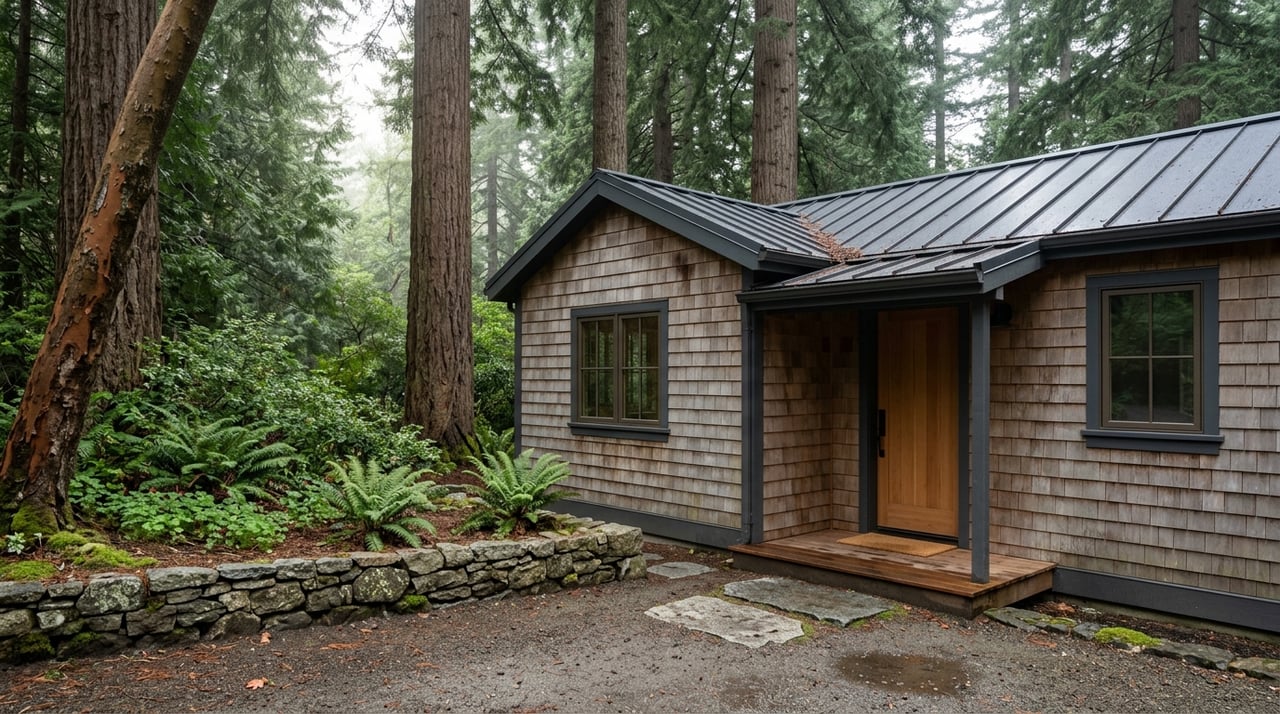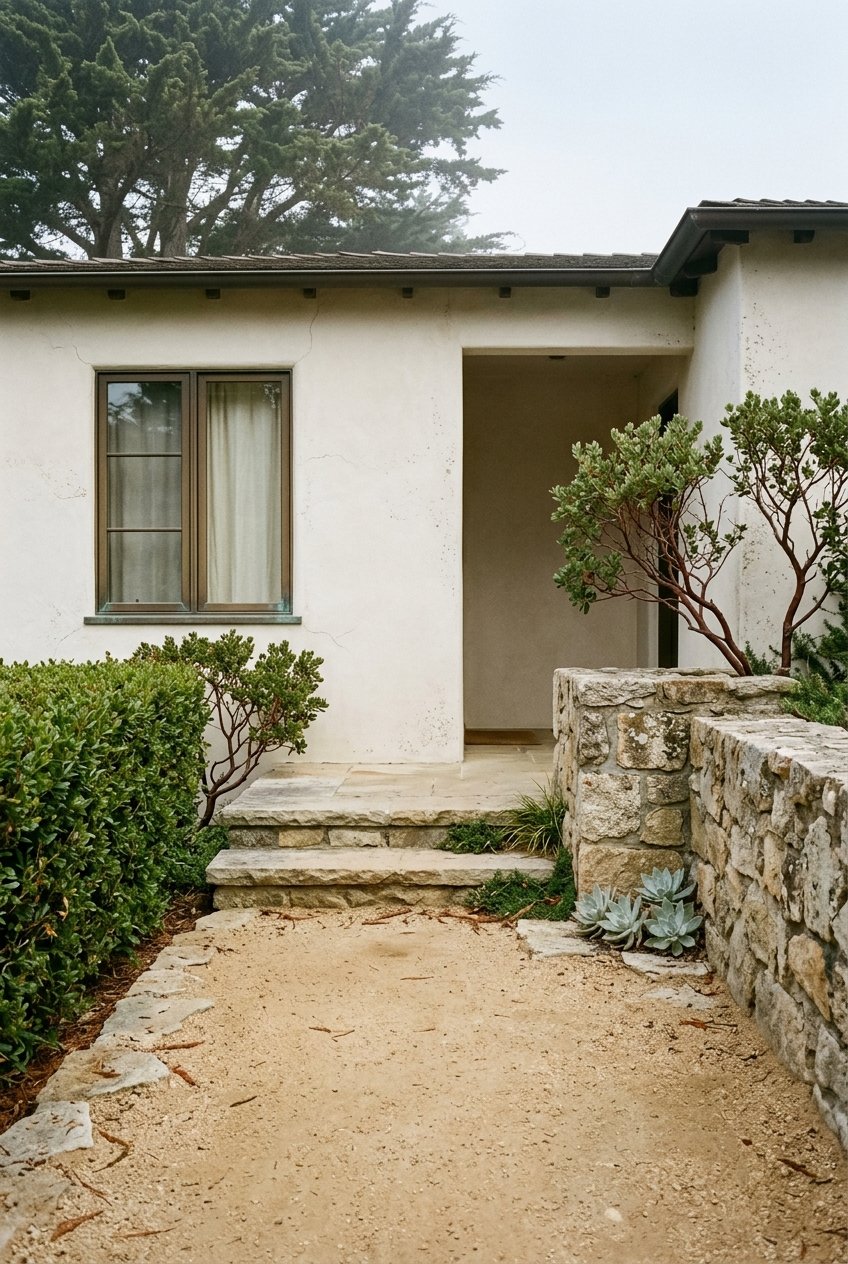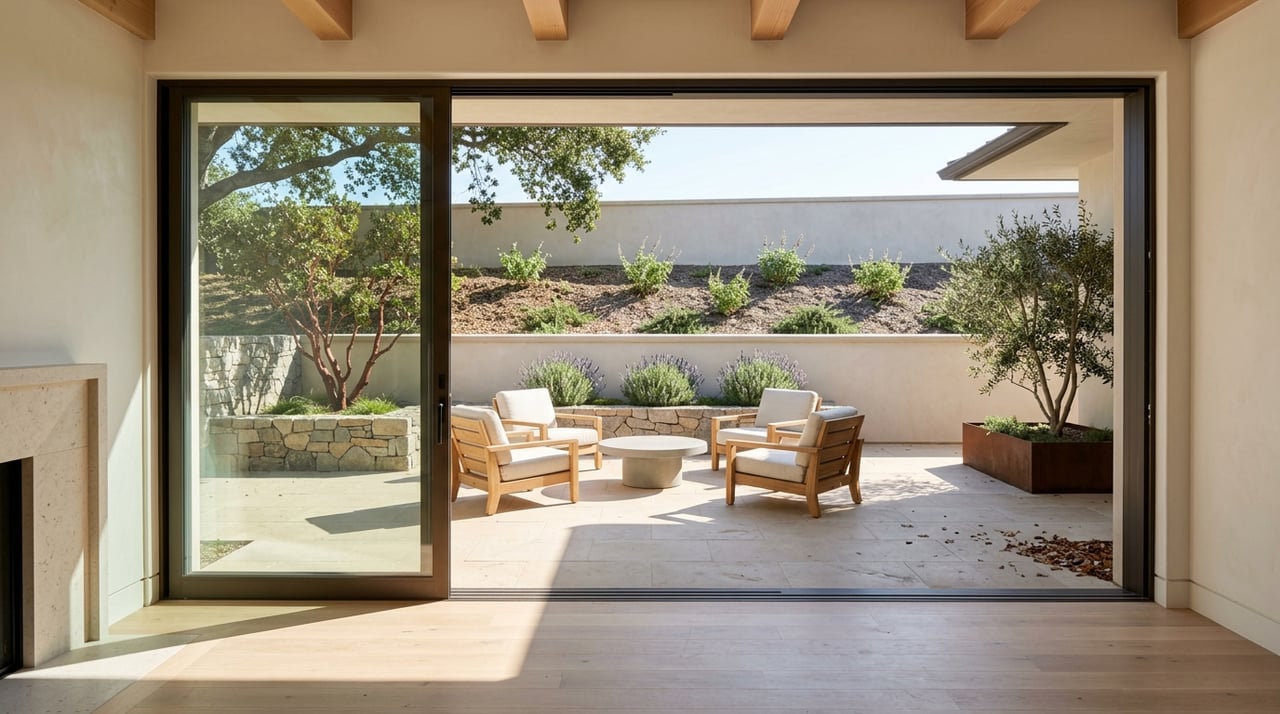
If you picture Carmel Valley as one uniform market, you may miss what makes it so appealing. This sun-kissed stretch of Monterey County offers practical choices that can feel very different from one pocket to the next, especially if you are searching for a retreat with more warmth, privacy, and indoor-outdoor living than the coast often provides. Understanding the valley’s buyer shorthand can help you narrow your search with more confidence. Let’s dive in.
Why Carmel Valley Appeals to Sun Seekers
Carmel Valley is a federally recognized American Viticultural Area, and local tourism materials describe it as a region stretching roughly 12 miles from Highway 1 to Carmel Valley Village and beyond. The area is also widely associated with about 300 days of sunshine per year, along with more than 20 wine tasting rooms and wineries. For many buyers, that creates a very different lifestyle picture from the immediate coast.
As you move inland, the valley’s microclimates shift. Local agricultural sources note a contrast between the cooler conditions near the mouth of the valley and the warmer mid-valley environment better suited to heat-loving crops. In simple terms, the farther inland you go, the more likely you are to feel the valley’s warm, open, relaxed character.
That is why choosing Carmel Valley is often about more than geography. In practice, many buyers are comparing more sun, more open space, and more room for outdoor living against the coast’s beach access and marine-layer influence. If your goal is a sunny retreat, the right micro-neighborhood usually comes down to a few tradeoffs: walkability, privacy, views, and amenities.
What “Micro-Neighborhoods” Means Here
In Carmel Valley, micro-neighborhood labels are practical buyer shorthand, not strict legal boundaries. Local organizations and county planning materials commonly refer to areas such as the Village, Mid-Valley, and the valley-to-ranch corridors. That language is useful because it reflects how people actually compare homes and lifestyles in the valley.
This matters when you begin your search. Instead of focusing only on a subdivision name, you will usually get further by asking where you want to sit on the spectrum between convenience and seclusion. Carmel Valley is especially well suited to this kind of lifestyle-first search.
Village Core: Walkable and Social
The Village is the most walkable pocket in Carmel Valley. It is the easiest area to organize around tasting rooms, cafés, galleries, and casual dining, with mountain views adding to the setting. If you want to step out for wine tasting or dinner without making every outing a drive, this is often the first area to consider.
The county’s Village planning framework also gives this pocket a distinct feel. It encourages a rural-rustic architectural theme, natural materials, earth-tone colors, and site planning that respects topography and solar access. For you as a buyer, that can translate into a low-key environment where convenience and small-scale character are intentionally balanced.
A Village location may be a strong fit if you want:
- Easy access to tasting rooms and dining
- A more social, close-in valley lifestyle
- A setting with rural character rather than suburban form
- Convenience for frequent weekend use or second-home visits
The tradeoff is straightforward. You gain walkability and activity, but you may give up some privacy and acreage compared with farther-out options.
Mid-Valley: Balanced Access and Space
Mid-Valley functions as the broad central corridor between the Village core and the more remote ranch country. Local references to a Mid Valley Shopping Center, hillside homes, and ranch properties suggest a practical residential band with a little more breathing room than the Village. It is less about one formal neighborhood and more about a useful way to describe central valley living.
For many buyers, this pocket offers a middle ground. You are still close to the dining and wine attractions that define Carmel Valley’s lifestyle appeal, but you often have more space and a quieter residential feel than you would in the Village itself. That balance can work especially well if you want a sunny retreat that feels accessible without feeling busy.
Mid-Valley may suit you if you want:
- A central location along Carmel Valley Road
- More space than the Village often provides
- Easier everyday access than upper ranch areas
- A practical blend of convenience and privacy
This area is often where Carmel Valley starts to feel less like a small destination center and more like a broader residential landscape. If you want flexibility, Mid-Valley is worth close attention.
Hillside Pockets: Views and Privacy
Some of Carmel Valley’s most appealing retreat settings are defined by terrain rather than by a named subdivision. Hillside and slope-side properties often appeal to buyers who value privacy, outlooks, and a stronger connection to the land. In these pockets, elevation and siting become central to the experience of the home.
Regional park topography helps explain why these homes feel so different. Garland Ranch spans roughly 200 to 2,000 feet in elevation, while Palo Corona rises from near sea level to more than 3,400 feet. Those shifts in terrain help shape the valley’s view corridors, sense of seclusion, and site-sensitive building patterns.
The county’s Village planning criteria reinforce this design approach by emphasizing structures that blend with natural landforms. In practical terms, hillside homes often prioritize orientation, privacy, and visual connection over flat-lot ease. If your idea of a retreat includes a quiet perch and a strong sense of place, this category may be especially compelling.
Things to weigh with hillside living include:
- Potential for broader views
- Greater privacy and separation
- More emphasis on site design and terrain
- Less focus on flat-lot convenience
Ranch Communities: Space, Amenities, and Escape
Ranch communities in Carmel Valley can feel very different from one another. Some lean toward estate-style privacy and large-scale natural surroundings, while others offer a more managed luxury lifestyle with club and resort amenities. This is an important distinction if you are looking for a second home or long-term retreat.
Santa Lucia Preserve is the clearest example of the estate-and-club side of the market. Official materials describe it as a 20,000-acre private community with only 300 homesites, 100 miles of trails, an equestrian center, private dining, and custom-designed homes fitted to the landscape. That points to a setting defined by land, privacy, and a highly tailored residential experience.
Carmel Valley Ranch presents a different version of ranch living. Official materials emphasize golf, spa, tennis, pools, fitness, dining discounts, suites, a vineyard, and farm and garden amenities. If you prefer a resort-forward retreat with organized amenities and a more service-oriented feel, this style of community may be more aligned with your goals.
Farther east, upper Carmel Valley moves into more rural ranch terrain. Local association materials describe Rana Creek Ranch as more than 12,000 acres with trails, springs, wetlands, and agricultural preserve status. That kind of setting is less about neighborhood living and more about large-scale land and rural character.
How to Choose the Right Sunny Retreat
A smart Carmel Valley search usually starts with lifestyle priorities, not just price or square footage. Because the valley’s residential pockets vary so much, your best fit often becomes clearer when you define how you want to spend your time there. A sunny retreat should match the way you actually plan to live.
Here is a simple way to think about the main tradeoffs:
| If you want... | Consider... | Main tradeoff |
|---|---|---|
| Walkability to tasting rooms and dining | Village core | Less privacy and acreage |
| A middle ground between access and space | Mid-Valley | Less walkability than the Village |
| Privacy and elevated outlooks | Hillside pockets | More terrain-driven living |
| Estate scale and trail-oriented seclusion | Ranch communities like Santa Lucia Preserve | Less immediate access to village-style convenience |
| Resort amenities and managed luxury | Carmel Valley Ranch area | More club-style feel than rural simplicity |
This tradeoff-based approach reflects how buyers naturally compare the valley. Village convenience, ranch privacy, hillside views, and resort amenities each offer a distinct version of Carmel Valley living. The key is knowing which one best supports your version of a retreat.
Lifestyle Anchors That Shape Daily Living
Dining, wineries, and recreation are part of what gives Carmel Valley its staying power as a lifestyle market. Local tourism materials place much of the dining and wine activity in and around the Village and along Carmel Valley Road. If you want repeated access to restaurants, galleries, and tasting rooms without heading back to the coast, the Village and central corridor are often the most practical choices.
Open space is another major advantage. Garland Ranch offers hiking, horseback riding, jogging, walking, bird watching, and limited mountain biking, while Palo Corona adds a broader conservation-scale park experience with Inspiration Point, Animas Pond, and extensive trail access. For buyers seeking a second home, that mix of valley recreation and proximity to the coast can be especially attractive.
This is part of what makes Carmel Valley feel layered rather than one-note. You can choose a more social village setting, a central residential base, a hillside retreat, or a ranch environment, while still tapping into the same broad lifestyle identity: sun, open space, and a relaxed wine-country atmosphere.
Why Local Guidance Matters in Carmel Valley
Because Carmel Valley’s micro-neighborhoods are based on local shorthand and lived experience, online searches do not always tell the full story. A property that looks similar on paper may offer a very different daily rhythm depending on whether it sits near the Village, in the central corridor, on a hillside, or within a ranch community. That is where neighborhood-level guidance becomes valuable.
If you are weighing a second home, rural luxury purchase, or lifestyle move in Carmel Valley, a clear understanding of these tradeoffs can help you move with more confidence and less guesswork. For tailored guidance on Carmel Valley and the broader Monterey Peninsula market, connect with E&V Carmel Shop.
FAQs
What is the sunniest part of Carmel Valley for homebuyers?
- In general, Carmel Valley becomes warmer and sunnier as you move inland, with Mid-Valley, the Village, and farther east often offering a more sun-filled feel than areas closer to the coast.
What is the most walkable area in Carmel Valley for a second home?
- The Village core is the most walkable pocket, with close access to tasting rooms, cafés, galleries, and casual dining.
What does Mid-Valley mean in Carmel Valley real estate?
- Mid-Valley is buyer shorthand for the central residential corridor between the Village and the more remote ranch areas, rather than a strict formal neighborhood boundary.
Which Carmel Valley areas offer the most privacy?
- Hillside pockets and ranch communities generally offer more privacy, with many properties shaped by terrain, larger land settings, or estate-style planning.
What is the difference between Santa Lucia Preserve and Carmel Valley Ranch?
- Santa Lucia Preserve is defined more by large-scale land, custom homes, trails, and estate-style privacy, while Carmel Valley Ranch is more resort-forward with golf, spa, tennis, pools, fitness, and dining-related amenities.
Why do buyers compare Carmel Valley with Carmel-by-the-Sea?
- Buyers often compare the two because Carmel Valley typically offers more sun, open space, and indoor-outdoor living potential, while Carmel-by-the-Sea offers closer beach access and a more marine-influenced setting.