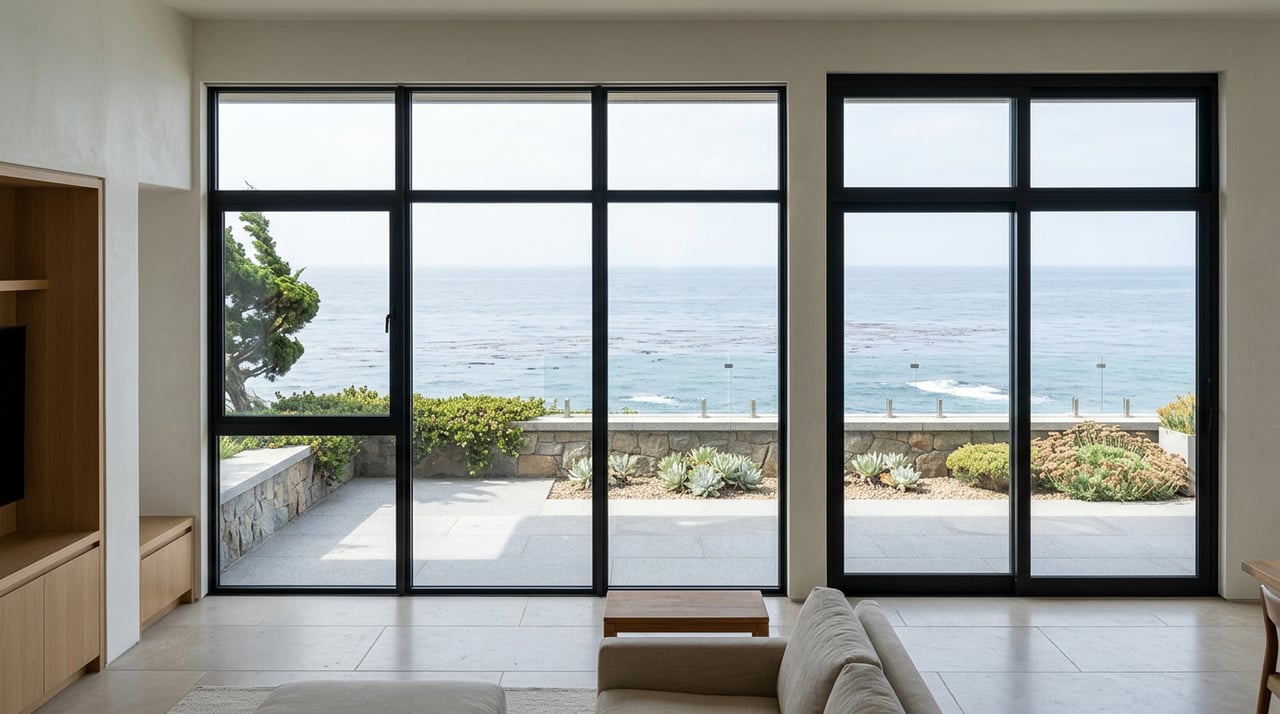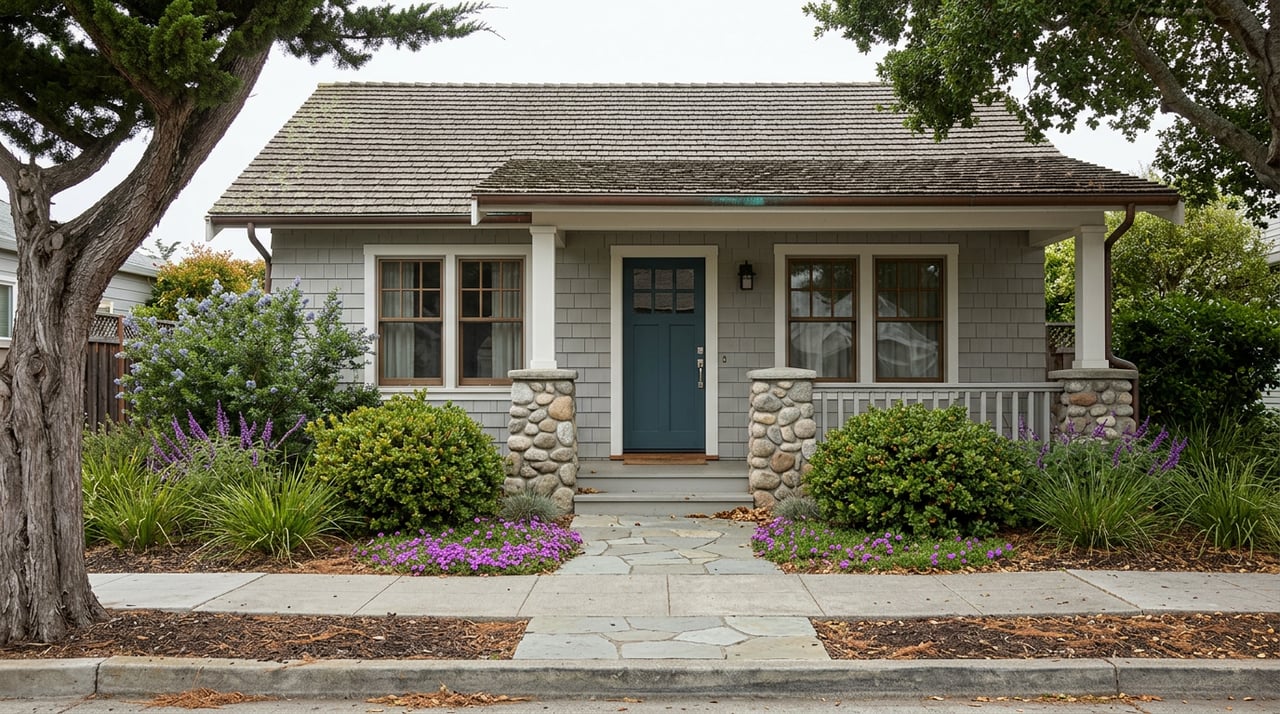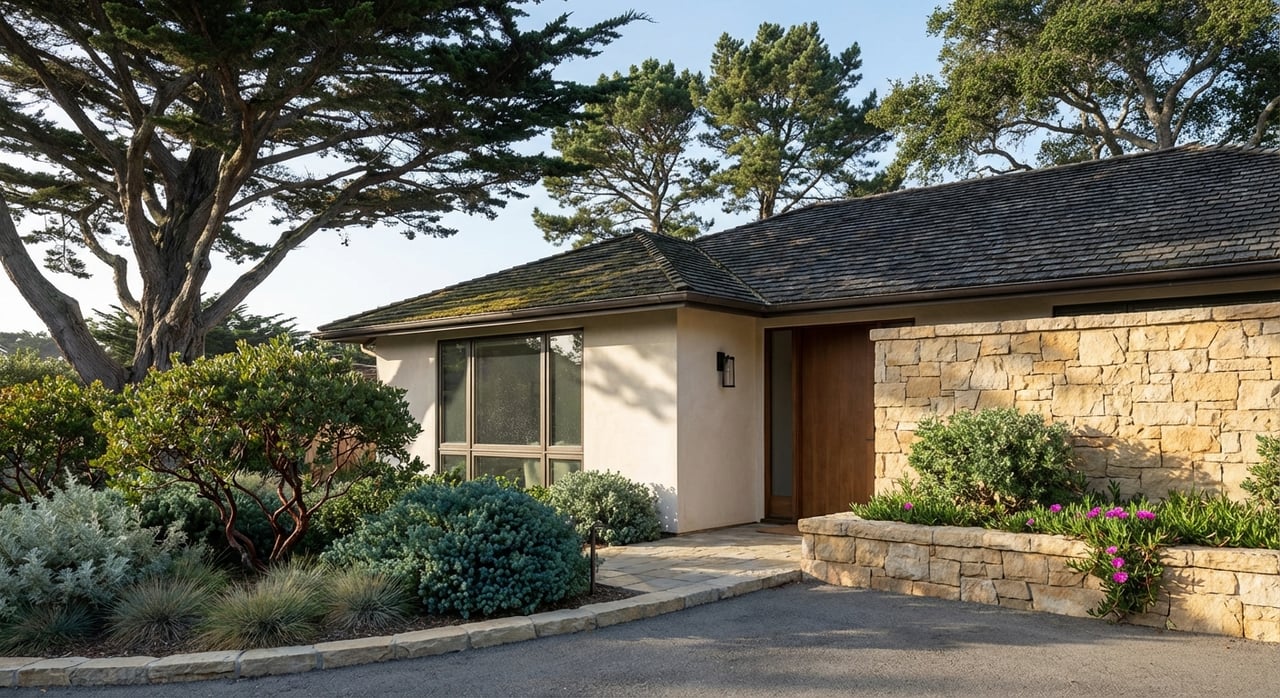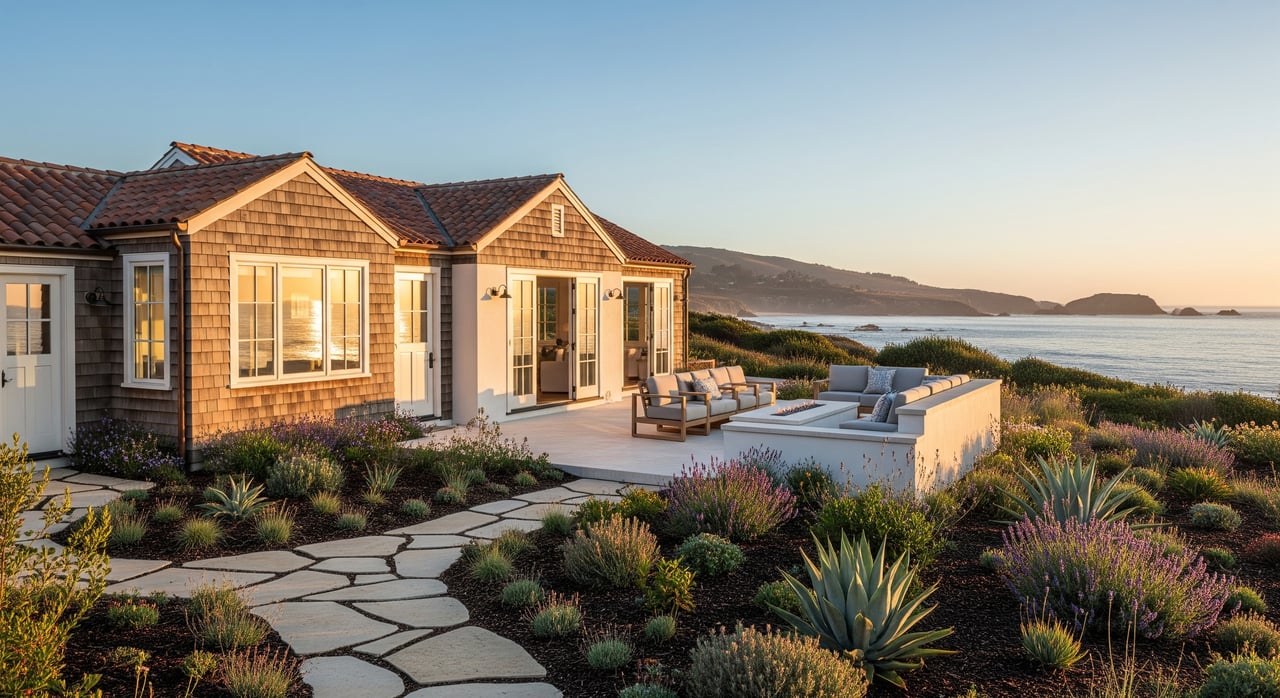
What is your Carmel-by-the-Sea cottage really worth in today’s market? In a town where two homes a few blocks apart can sell at very different prices, knowing how value is built is essential. If you’re considering selling now or in the near future, you want a private, data-backed view of value that reflects your exact street, lot, and permitted use. This guide shows you how pricing works here, what truly moves the needle, and what to gather to receive a precise opinion of value. Let’s dive in.
Why pricing varies block by block
Carmel-by-the-Sea is compact, and micro-location matters. The exact street, block, and walking distance to the beach or Ocean Avenue can swing pricing in meaningful ways. Properties that feel close to the village and sand often draw more buyer demand than similar homes just a few minutes farther.
Historic character also plays a role. Many cottages have preserved details and, in some cases, design restrictions. The charm can increase appeal, while permit limits on expansion can influence redevelopment potential and price.
Site and lot factors are pivotal. Small lots, elevation changes, heritage trees, and on-site parking can all affect marketability. In a village context, a garage or usable parking may be a notable differentiator.
Regulatory and coastal considerations matter. Local planning, coastal zone rules, and insurance availability for coastal exposure can affect both buyer confidence and financing. Buyers and underwriters are paying closer attention to flood and erosion risk, which shows up in pricing and time on market.
A local nuance you’ll hear is the “Golden Rectangle,” an informal descriptor for a cluster of premium streets known for proximity to the beach, consistent lot patterns, and an attractive streetscape. It is not a formal boundary, but buyers and agents often recognize a street premium in this area. Your agent should confirm the relevant blocks using very local comps.
How agents value Carmel cottages
Most agents and appraisers use a Comparable Market Analysis (CMA) and sales comparison approach tailored to Carmel’s small, varied market. Because no two cottages are exactly alike, careful adjustments are essential.
- Comparable Sales Analysis (CMA). Focuses on recent closed sales of similar homes within the smallest possible radius, ideally the same block or immediate micro-neighborhood.
- Broker Price Opinion (BPO) or agent opinion of value. Uses MLS data plus local experience and buyer insights to frame a strategic listing range.
- Appraisal. Lender-oriented, rooted in closed sales, with formal adjustments for zoning, permitted use, and insurability.
- Attribute-based thinking. Price is often deconstructed into components like view, distance to beach, lot, size, condition, and parking, then recombined to reflect market reality.
Adjustment drivers that move price
- Beach proximity and ocean view. Even a partial view or a short, pleasant walk to the beach can command a premium.
- Street and block premium. Select streets carry a known desirability premium due to scarcity and feel.
- Walkability to Ocean Avenue. Closer-in locations typically attract more showings and stronger demand.
- Size and layout. Total living area matters, but many buyers value an intimate, well-resolved cottage over raw square footage.
- Interior condition and upgrades. Permitted remodels, quality finishes, and updated systems can reduce buyer friction and raise price.
- Historic status and design controls. Authentic character can be a plus; constraints on changes may shape buyer expectations.
- Parking and garage. On-site parking is valuable in the village setting and can set a property apart.
- Lot size, privacy, landscaping. Usable outdoor areas and privacy often spark emotional connection and bidding strength.
- Utilities and capacity. Sewer connections and utility capacity can affect remodel potential.
- Short-term rental rules. Local restrictions or permits change the buyer pool and may influence value.
- Coastal hazard and insurance. Flood or erosion risk and insurance availability affect both demand and financing.
Choosing the right comps in Carmel
The right comps are hyper-local. In a small market, a single sale on a premium block can skew value if used without context. A disciplined approach prevents overpricing or leaving money on the table.
- Geographic tightness. Start with your street or immediate block; expand to 0.1–0.5 miles only if needed.
- Time window. Prioritize closed sales from the past 6–12 months. Stretch to 12–24 months if inventory is scarce, with time adjustments.
- Property-type match. Compare cottages to cottages, and avoid matching a petite historic cottage to a recently expanded custom home without substantial adjustments.
- Physical similarity. Target comps within roughly ±20–30% of living area and lot size, with comparable walkability and view profile.
- Transaction quality. Favor arms-length sales and be cautious with estate or atypical transactions.
- Material differences. Adjust for view, beach proximity, condition, permitted square footage, parking, and design restrictions.
Data points your agent will analyze
- Sold price, sale date, and days on market
- Address and map distance to beach and Ocean Avenue
- Lot size, living area, and bed/bath count
- View category, elevation, and site orientation
- Renovation level and documented permits
- Parking and garage details
- Historic designation or design review notes
- Zoning, allowable uses, and any short-term rental status
- Seller concessions or unusual sale conditions
What you can do now: documents to gather
Preparing the right information helps your agent deliver a precise, private opinion of value quickly and confidently. Use this checklist as a starting point:
- Recent interior and exterior photos; floor plans and measured square footage if available
- Dates of major remodels and related permits (kitchen, baths, structural, roof)
- Copies of permits, certificates of occupancy, and any historic approvals or conditions
- Site plan, lot dimensions, and legal description
- Current title report excerpts, including easements or encumbrances
- Utility information (sewer vs septic, capacity, recent upgrades), HVAC and system details, and any known issues
- Insurance history and any known coastal or flood insurance considerations
- Current rental status and any short-term rental permits or restrictions
- HOA or maintenance agreements, if applicable
- Recent inspection reports or contractor estimates for deferred maintenance
- Comparable sales you believe are relevant for discussion
What to expect from a private, data-backed opinion
A high-quality agent deliverable goes beyond a quick estimate. Expect a documented, local analysis with clear rationale and strategy.
- CMA/BPO with 3–8 relevant comps and line-item adjustments for view, proximity, condition, parking, and permitted square footage
- Map exhibits showing your property and comps, with walking distances to the beach and Ocean Avenue, and view context where relevant
- Market summary including recent sales volume, price direction, and days on market
- Suggested listing price range and supporting logic, not a guaranteed sale price
- Recommendations for targeted pre-listing fixes and staging that can improve sale price or reduce time on market
Turnaround is usually quick. With documents in hand, a preliminary CMA can often be assembled within 24–72 hours. A fully documented opinion with mapping and refined adjustments may take several days.
Privacy is respected. Your agent can prepare a private opinion without a public listing, and interior photos are only shared with your authorization.
Regulatory and risk factors to weigh
Local planning, coastal rules, and historic review shape what you can change and how buyers view potential. These considerations often influence pricing strategy and negotiation.
- Zoning and design review. Carmel has defined processes for exterior changes, additions, and new construction. Historic or design district status can add charm while limiting expansion.
- Coastal and environmental risk. Bluff stability, flood exposure, and sea-level considerations may affect disclosures, insurance, and buyer comfort.
- Insurance and financing. Availability and cost of coverage in coastal contexts can affect loan options and the buyer pool.
- Short-term rental policy. Local rules influence investor demand and valuation.
- Market liquidity and seasonality. Inventory is often tight, and timing and marketing strategy can materially affect outcomes. In some cases, off-market approaches and broker networks can add value in a discreet sale.
Preparing to maximize sale price
You can influence how buyers perceive your home and how your listing performs.
Clarify permits and records. Organized documentation reduces uncertainty and supports higher offers.
Focus on first-impression upgrades. Thoughtful landscaping, lighting, and minor repairs can outsize the cost in buyer impact.
Showcase unique attributes. If you have a partial ocean view, comfortable walk to the beach, or on-site parking, make these features clear in photos, copy, and showings.
Stage for scale and light. Many cottage buyers seek intimacy, balance, and easy indoor-outdoor living, not just square footage.
Choose a pricing strategy. In thin, high-value markets, polished presentation and strategic pricing can catalyze competitive interest.
Ready to see what your home could sell for?
If you want a private, data-backed opinion of value grounded in hyper-local comps and clear adjustments, our team is ready to help. Share your documents and timing, and we’ll deliver a thoughtful analysis along with recommendations to maximize your result. Start a confidential conversation with the E&V Carmel Shop.
FAQs
How is the “Golden Rectangle” considered in pricing?
- Agents treat it as an informal premium area and verify the effect using very local comps, street-by-street, rather than relying on labels alone.
How recent do comps need to be in Carmel’s thin market?
- Aim for the past 6–12 months; extend to 12–24 months only when necessary and apply time adjustments based on market direction.
Do historic restrictions raise or lower value?
- Authentic cottage character can attract buyers and support price, while added design controls may limit expansion and affect how some buyers value potential.
What if I’m close to the beach but have no ocean view?
- Proximity still commands a premium; your agent will show how walk time and street context compare to nearby sales with or without views.
How do insurance and coastal risk affect sale price?
- Exposure to flood or erosion risk and insurance availability can influence buyer confidence, financing options, and final pricing.
How fast can I get an opinion of value, and do I need an appraisal?
- A preliminary CMA can often be produced within 24–72 hours with your documents; a lender appraisal is separate and typically needed only for financing or formal valuation needs.