Craving more sun, space, and vineyard views than the coast usually offers? If you are exploring the Monterey Peninsula, Carmel Valley delivers a relaxed, semi-rural lifestyle with a true wine country feel. You might be weighing a second home, a primary move, or simply wondering how daily life compares with Carmel-by-the-Sea. In this guide, you will learn what it feels like to live in Carmel Valley, from climate and recreation to home types, schools, and practical considerations. Let’s dive in.
Carmel Valley vibe and daily rhythm
Carmel Valley centers on a village core surrounded by rolling hills, vineyards, and ranch properties. The pace is unhurried and oriented to outdoor living, privacy, and time spent on patios rather than sidewalks. You will see a mix of year-round residents, commuting professionals, retirees, and second-home owners. Visitor energy picks up on weekends and during wine and community events, but day-to-day life feels calm and residential.
Warmer, sunnier microclimate
If you love blue skies, the warmer, sunnier microclimate is a signature draw. Compared with the coast, Carmel Valley tends to get less marine fog and lower wind exposure, especially on the more inland slopes. Winters are cool and mild with seasonal rains. Summers are warm and dry, which supports vineyards and outdoor recreation almost year-round.
Getting around and everyday errands
This is a car-forward place. You will typically drive for errands, school runs, and commutes. Public transit exists through regional routes, but coverage is limited compared to urban areas. The village offers a cluster of restaurants, tasting rooms, and small shops for daily needs. For broader retail, medical specialists, and major groceries, you will likely drive to Monterey, Salinas, or Carmel.
Home styles and property types
Carmel Valley real estate leans toward space and privacy. If you are searching for land or a lifestyle property, the options can be compelling.
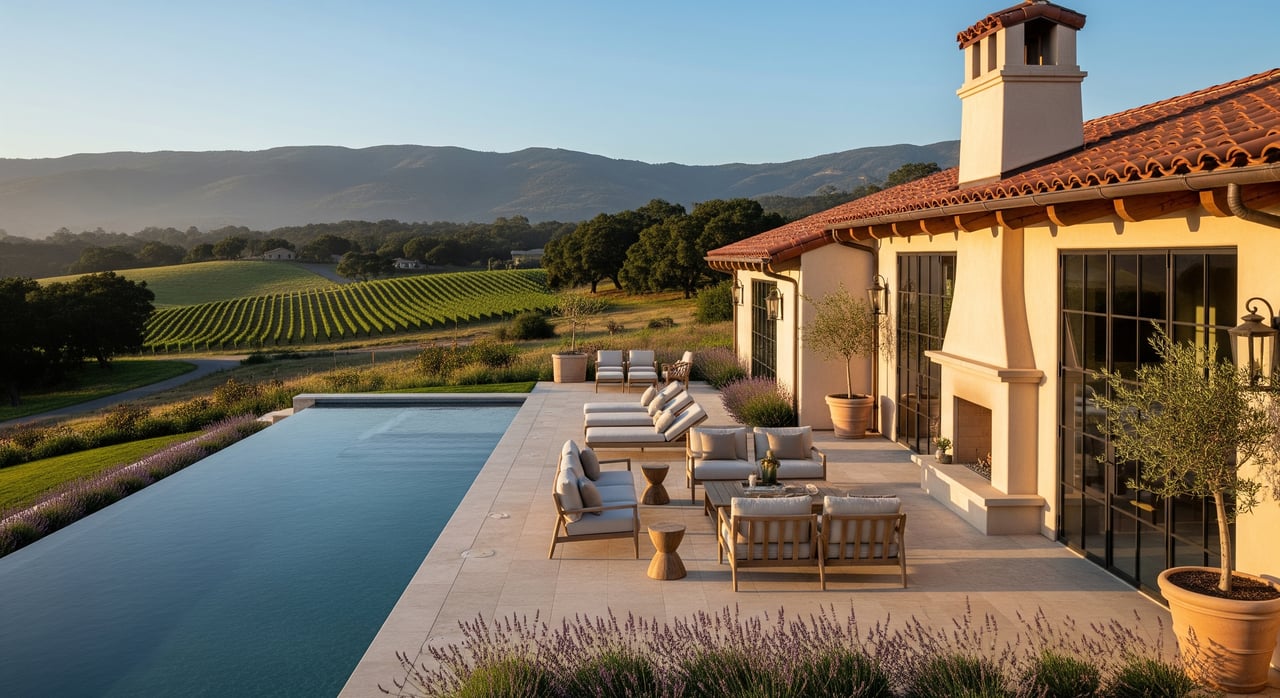
- Ranch and estate homes: Single-family houses on larger parcels, including hilltop homes with views. Styles range from classic ranch and Mediterranean to farmhouse and contemporary.
- Equestrian properties: Parcels that may include barns, corrals, fenced pastures, loafing sheds, and potential trail access, subject to zoning and permits.
- Vineyard and agricultural parcels: From hobby vineyards to small commercial operations, with site specifics and permits guiding what is allowed.
- Smaller homes and condos: In and around the village and within some gated communities, you will find smaller lots and attached homes, though inventory is more limited than acreage properties.
Land and utilities to understand
Many rural parcels use a mix of municipal and private systems. Expect to verify details during due diligence.
- Wells and septic: Rural homes often rely on private wells and septic systems. Plan for inspections, percolation tests where applicable, and permit reviews.
- Internet and communications: Wired broadband varies by neighborhood. Some locations use fixed wireless or satellite. Always confirm service at the specific address.
- Zoning and permits: Uses can include residential, agricultural, and open space. Equine facilities, tasting rooms, or vineyard operations often require county approvals.
Market character
Carmel Valley is a high-end market within the Monterey Peninsula. Single-family homes and estates are typically in the seven-figure range. Smaller homes near the village can be relatively more attainable within the regional context, while large ranches or luxury estates reach multimillion-dollar levels. Inventory can be limited, and competition often centers on properties with privacy, views, or vineyard and equestrian improvements. The buyer pool includes both primary and second-home purchasers.
Wine country, horses, and outdoors
Carmel Valley offers a classic wine country lifestyle. You will find boutique wineries and tasting rooms, with producers focusing on varietals suited to the region’s climate and slopes. Vineyard agriculture is part of daily scenery and shapes the social calendar alongside local events and farmers’ markets.
If horses are part of your life, the equestrian culture is strong. Properties marketed for equine use often highlight barns, arenas, and fenced pastures. Regional parks and community trail networks support recreational riding where permitted.
For hiking and open space, you are close to preserved lands like Garland Ranch Regional Park and Palo Corona Regional Park. Trails range from river paths to hillside routes with vistas. While Big Sur and the coast are an easy outing, they are more of a planned drive than a neighborhood walk.
Schools and education options
Public school assignments vary by address. Portions of Carmel Valley are served by Carmel Unified School District and other Monterey County districts. Always verify boundary maps and enrollment policies for a specific property.
Families also consider private school options in the broader Monterey Peninsula. Independent schools, including those in the Carmel and Pebble Beach area, are within driving distance. For continuing education, regional colleges and universities such as Monterey Peninsula College offer convenient programs.
Health care and services
Primary hospital services are in Monterey and Salinas. Local clinics support routine care, with emergency services handled by regional fire districts and county departments. Response times can vary by distance and terrain, which is typical for semi-rural settings.
Practical factors to weigh
Buying in Carmel Valley often includes rural considerations that reward careful planning.
Wildfire and insurance
Like many inland California valleys near chaparral and open hillsides, Carmel Valley faces wildfire risk. You should review hazard maps and inspect property-specific vegetation conditions. Insurance availability and premiums can be affected, so obtain quotes early and ask about mitigation items such as defensible space, ember-resistant features, and access for emergency vehicles.
Wells, septic, and environmental due diligence
Private systems require inspection, maintenance, and sometimes upgrades for sale or permit compliance. If you plan agricultural or equestrian uses, confirm water rights and expected well flow rates with specialists. Treat these items as material due diligence points, not afterthoughts.
Short-term rental rules
Short-term rental rules vary by jurisdiction within Monterey County. Registration, permits, and transient occupancy tax can apply in unincorporated areas and may include limits. If rental income is part of your plan, confirm current county requirements and neighborhood restrictions before you buy.
Maintenance and connectivity
Rural properties can have higher ongoing costs. Budget for septic service, well testing, private road upkeep, barn and fence repairs, and wildfire mitigation. Broadband service levels can influence remote work. Verify internet and phone coverage at the parcel if connectivity matters for your lifestyle or business.
How it compares to the coast
Carmel Valley and Carmel-by-the-Sea each offer premium lifestyles, but they feel quite different day to day.
- Climate and sun: Carmel Valley is generally warmer and sunnier, with less fog and wind than the immediate coast.
- Space and density: Parcels are usually larger inland, with more privacy and a semi-rural feel. Coastal towns prioritize smaller lots and walkability.
- Lifestyle focus: Carmel Valley emphasizes outdoor living tied to vineyards, hiking, and equestrian pursuits. Coastal life leans into beach access, galleries, and compact tourism amenities.
- Services and access: The valley uses a village model with short drives to most services. The coast concentrates shops and restaurants within a walkable footprint.
- Cost dynamics: Both are premium markets. The coast can command a price premium for smaller footprints with ocean influence, while Carmel Valley attracts buyers valuing acreage, privacy, and specialized uses.
Is Carmel Valley a fit for you
Choose Carmel Valley if you want more sunshine, room to spread out, and a lifestyle shaped by wine country and outdoor recreation. Expect to drive for most services, plan for rural systems like wells and septic, and take wildfire preparedness seriously. In return, you get privacy, views, and a slower pace that feels worlds away yet close to the Peninsula’s culture and coastline.
When you are ready to explore the valley’s neighborhoods, compare property types, or discuss due diligence for rural parcels, connect with the team at the E&V Carmel Shop. We offer a polished, consultative approach that helps you make confident decisions on the Monterey Peninsula.
FAQs
What is the Carmel Valley climate compared to the coast
- Carmel Valley is generally warmer and sunnier with less marine fog and wind than coastal towns, offering mild, wet winters and warm, dry summers.
What home types are common in Carmel Valley
- You will see ranch and estate homes on acreage, equestrian properties with barns and arenas, vineyard parcels, and a smaller selection of village-area homes and condos.
Are there equestrian properties and trails in the area
- Yes, equestrian use is part of local life, with properties featuring horse facilities and access to regional parks and trail systems where permitted.
What should buyers know about wells and septic systems
- Many rural homes rely on private wells and septic systems. Plan inspections, review permits, and confirm maintenance history and performance during due diligence.
How is wildfire risk managed for properties
- Wildfire exposure varies by location. Buyers should review hazard maps, assess vegetation, create defensible space, and obtain insurance quotes early in the process.
Where do residents go for major services and care
- Everyday basics are in Carmel Valley Village, but broader retail, medical specialists, and hospitals are typically in Monterey or Salinas within a reasonable drive.
Are short-term vacation rentals allowed in Carmel Valley
- Rules vary in unincorporated Monterey County and often include registration, permits, and transient occupancy tax. Always confirm current regulations for a specific address.