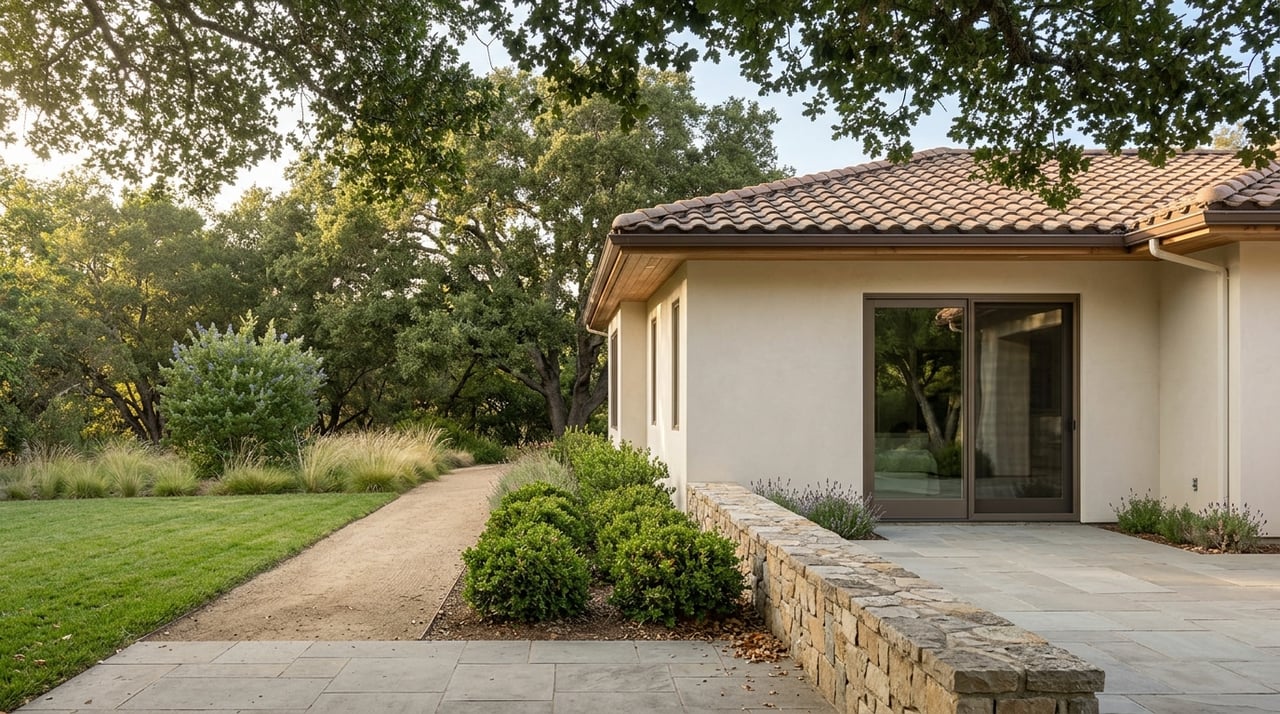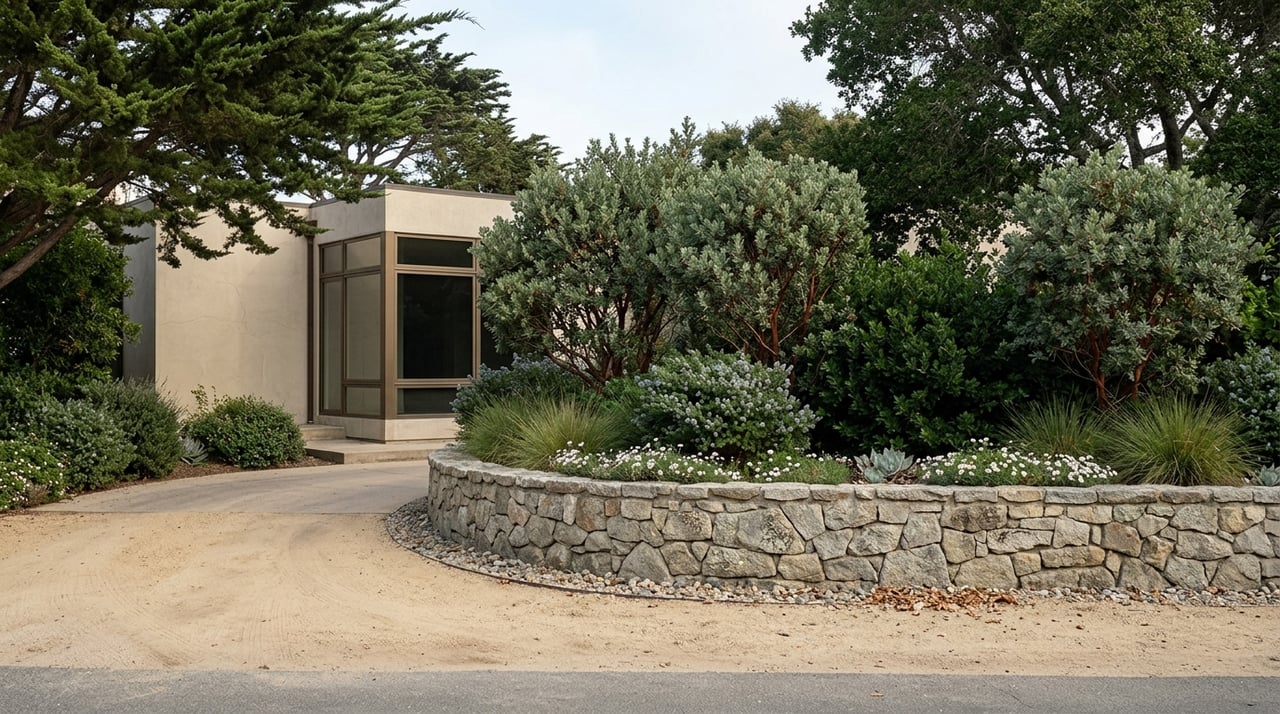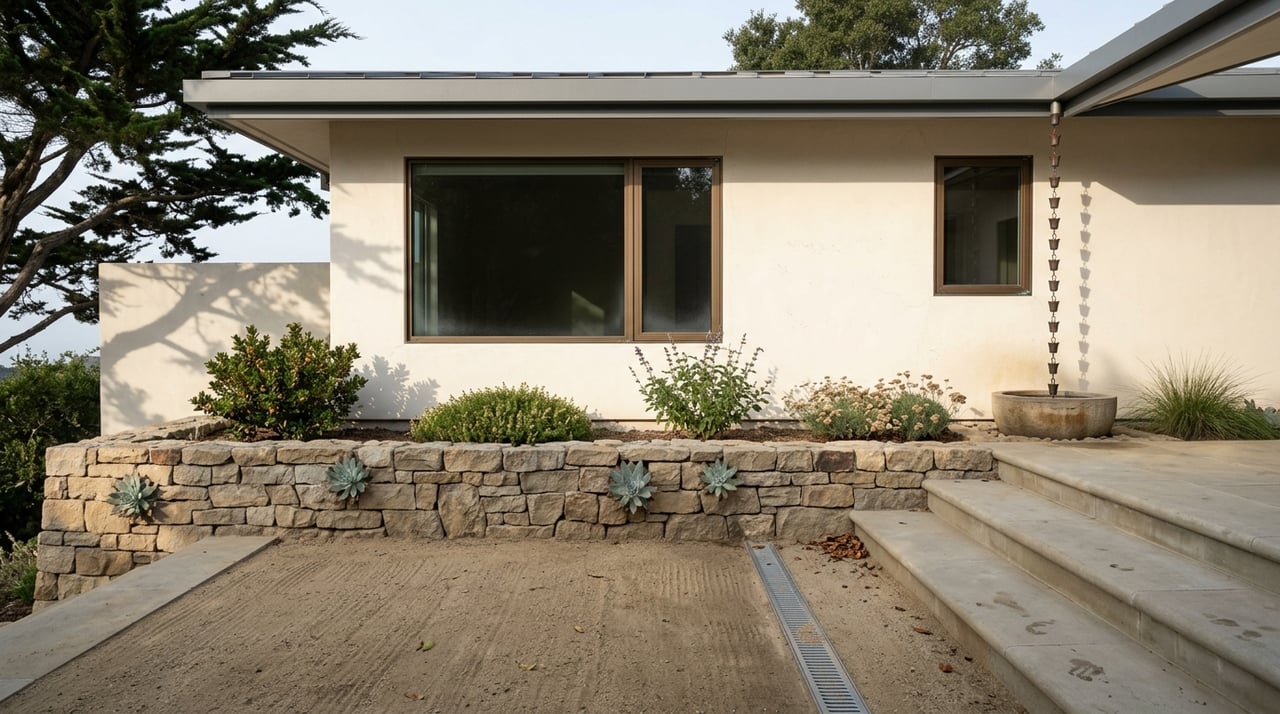
Big Sur has a way of making people stop and imagine a different pace of life. If you are considering a retreat here, you are likely drawn to the privacy, dramatic coastline, and sense of escape that few places can match. What matters most, though, is understanding that owning in Big Sur is not quite like owning a second home elsewhere on the Monterey Peninsula. This guide will help you think through the rules, risks, and realities so you can approach a purchase with clarity. Let’s dive in.
Big Sur Ownership Starts With Stewardship
Big Sur is best understood as a highly managed coastal landscape, not a typical luxury market. Monterey County’s planning framework gives priority to preservation of the natural environment, scenic character, and the Highway 1 viewshed, with development meant to stay extremely limited and subordinate to the coast’s character.
That matters because your purchase is not only about the home itself. It is also about how the parcel fits into a larger planning system that closely reviews what can be built, changed, expanded, or even seen from public vantage points.
For many buyers, this is the mindset shift that matters most. In Big Sur, ownership often means long-term stewardship, patience, and respect for site-specific constraints.
Permits Can Shape Your Plans
If you are thinking about remodeling, expanding, rebuilding, or making visible exterior changes, permit review may be a central part of ownership. In the coastal zone, discretionary projects commonly need a Coastal Development Permit, and Monterey County treats parcels in the Big Sur Coastal Land Use Plan area as Design Control areas where exterior changes can require Design Approval.
County review can also include public notice, hearings, and appeals. In practical terms, this can make timelines longer and outcomes more dependent on site details than many buyers expect.
That does not mean improvement is impossible. It means you should evaluate a property based on what is currently allowed and realistically achievable, not on assumptions.
Why visual impact matters
In Big Sur, siting and appearance are not minor details. Monterey County’s plan says future development visible from Highway 1 and major public viewing areas should be prohibited, which means a home’s visual relationship to the coast can influence what changes may be approved.
Exterior colors, massing, placement, and how a structure sits on the land can all become part of the entitlement conversation. If a property’s appeal depends on major future changes, careful advance review is essential.
Short-Term Rental Assumptions Can Be Costly
Some second-home buyers like to keep rental flexibility in mind. In Big Sur, that assumption needs to be tested early.
Monterey County’s current vacation-rental table lists commercial vacation rentals as prohibited in the Big Sur Coast Land Use Plan area. If rental income is part of your decision-making, you should confirm exactly what use is allowed for the specific property before you move forward.
This is one reason Big Sur often attracts buyers who value personal use, privacy, and long-term holding over a conventional income strategy. The purchase case should stand on its own without assuming short-term rental fallback.
Access Is Part of the Ownership Equation
Highway 1 is the main access spine for Big Sur, and the County describes it as a special scenic road intended to remain a two-lane route. That creates beauty and identity, but it also means access can be fragile.
Caltrans road information has shown one-way controlled traffic north of Big Sur through July 31, 2026 due to maintenance, and a 6.8-mile segment near Regent’s Slide was closed earlier in 2026 before reopening in January. For a retreat owner, this is not background noise. It is a real part of how you plan travel, deliveries, maintenance, and guest arrivals.
If you are comparing Big Sur with Carmel or Pebble Beach, this is one of the clearest differences. Big Sur asks more from you in terms of flexibility and self-sufficiency.
Limited services are part of the setting
The County notes that public and quasi-public services are concentrated in nodes such as Big Sur Valley, Pacific Valley, Lucia, and Gorda. Buyers should expect a limited-service environment rather than Peninsula-style convenience.
That can be part of the appeal, but it should also shape your due diligence. Routine ownership needs may require more planning, longer lead times, and stronger local vendor coordination.
Water Should Be Reviewed Early
In Big Sur, water is not a box to check at the end of escrow. It is one of the first issues to review in detail.
The County says many coast residents have historically relied on natural springs or direct stream diversions. It also warns that wells can jeopardize existing spring supplies and prohibits new or expanded water systems that transport water out of a watershed of origin except in narrow circumstances.
For buyers, this means the exact source of water matters. You should verify how the property is served, what rights or historic use support that source, and whether any future plans could affect or be limited by those conditions.
Water rights may affect development plans
The County states that riparian or groundwater users seeking development rights should perfect and record their water rights. If you are buying with the hope of future expansion or major improvements, this point deserves close attention during due diligence.
A beautiful setting does not remove the need for technical review. In Big Sur, water history can be just as important as square footage or views.
Septic Feasibility Can Limit What Is Possible
Wastewater service in Big Sur is usually onsite, not tied to a municipal sewer network. That makes septic feasibility a major factor in both present use and future plans.
Monterey County requires a site and soil evaluation, percolation testing, a deep groundwater monitoring boring, and a Qualified Designer’s OWTS design for new or replacement septic systems. Alternative systems can also require operating permits, and title transfers can trigger continued compliance obligations.
This is one of the most important practical reasons to investigate improvement potential carefully. A parcel that seems large or promising on paper may still face septic constraints that limit expansion or replacement options.
Land, Slope, and Buildability Matter
Big Sur’s residential pattern is shaped by large rural parcels, ranch properties, and scattered rural-residential pockets rather than subdivision tracts. The County strongly discourages subdivision of large undeveloped or agricultural properties and notes that available vacant land, water, and roads are not adequate for more intensive uses.
The County identifies rural-residential concentrations in places such as Palo Colorado Canyon, Bixby Canyon, Sycamore Canyon, Pfeiffer Ridge, Coastlands, and Partington Ridge, while Big Sur Valley, Pacific Valley, Lucia, and Gorda function as rural community centers. For buyers, that means each area can present a different mix of access, terrain, and service realities.
Buildability is also shaped by slope and septic requirements. County rules can require a minimum buildable parcel of one acre, a septic and drainfield location on slopes under 30%, and compliance with stream setback and septic system standards.
Steeper terrain can narrow your options
The County uses slope-density formulas that reduce buildable density as slopes increase, especially east of Highway 1. In simple terms, more land does not always mean more usable land.
If a purchase depends on adding a guest structure, expanding a main residence, or repositioning a home site, topography should be reviewed with care. In Big Sur, terrain is not just a design feature. It is a controlling factor.
Wildfire Planning Is Essential
Wildfire is one of the defining ownership realities in Big Sur. Monterey County says about 80% of county land is categorized as high, very high, or extreme fire threat, and it identifies Big Sur coast communities as being at great risk.
The County also highlights major local fire history, including the Basin Complex Fire and the Soberanes Fire. For retreat owners, fire readiness should be treated as an ongoing part of property management, not a one-time checklist.
Monterey County recommends defensible space, home hardening, evacuation planning, and keeping insurance and emergency documents current. If you are evaluating a property, ask not only how it looks today, but also how it can be maintained and protected over time.
Maintenance Can Require Approvals Too
In Big Sur, vegetation management is not simply cosmetic. Monterey County says some tree removals and major pruning require permits, and professional assessments are often needed for protected trees.
The County also notes that clearing to bare ground is often discouraged because of erosion risk. That means even sensible maintenance goals should be reviewed in light of local rules and site conditions.
Road encroachments, driveway changes, and utility work in the right-of-way may also require separate review. For owners, routine projects can involve more process than they would in a more urban setting.
A Smart Big Sur Due Diligence Checklist
Because Big Sur ownership is so site-specific, due diligence should be especially disciplined. Before you commit, it is wise to confirm the fundamentals that shape both current enjoyment and future flexibility.
Consider reviewing:
- Legal lot status
- Exact water source and any water-rights history
- Septic feasibility and existing design information
- Slope, access, and buildability constraints
- Scenic easements, access easements, or offers to dedicate access
- Whether your intended use is allowed under current Big Sur coastal rules
- Whether any planned exterior work could trigger Design Approval or a Coastal Development Permit
This level of review can feel extensive, but it reflects the reality of the market. Big Sur rewards buyers who are patient, prepared, and realistic about ownership.
What Big Sur Buyers Should Expect
If you want a retreat that feels private, dramatic, and deeply connected to the landscape, Big Sur can be extraordinary. At the same time, it asks you to think differently than you would in a more conventional second-home market.
You should expect more self-sufficiency, more permitting awareness, and more maintenance planning. You should also expect that the best ownership experiences often come from aligning your goals with the property’s actual constraints rather than trying to force a vision that the land or the rules may not support.
That is where experienced, local guidance becomes especially valuable. A well-chosen Big Sur property can be remarkable, but only when your expectations match the realities of access, infrastructure, and stewardship.
If you are considering a coastal retreat and want a clear-eyed view of what ownership in Big Sur may involve, E&V Carmel Shop can help you evaluate properties with local insight and discreet guidance.
FAQs
What should buyers know about permits in Big Sur?
- Buyers should know that discretionary coastal projects commonly need a Coastal Development Permit, exterior changes can require Design Approval, and review may involve public notice, hearings, and appeals.
Can buyers use a Big Sur home as a short-term rental?
- Buyers should not assume that option is available, because Monterey County lists commercial vacation rentals as prohibited in the Big Sur Coast Land Use Plan area.
Why is water due diligence important for Big Sur buyers?
- Buyers should verify the exact water source, any water-rights history, and whether future plans could be limited by watershed rules, spring reliance, or well impacts.
How does septic affect a Big Sur property purchase?
- Buyers should know that onsite wastewater systems are common, and septic feasibility can limit current use, replacement options, or future expansion plans.
What access issues should buyers consider in Big Sur?
- Buyers should plan around Highway 1 conditions, possible closures or controlled traffic, and the reality that Big Sur has a more limited-service environment than other Monterey Peninsula locations.
How should buyers prepare for wildfire risk in Big Sur?
- Buyers should evaluate defensible space, home hardening needs, evacuation planning, and the ongoing maintenance required for a property in a high fire threat area.